

Creatine for Muscle Recovery and DOMS: Clinical Evidence on Soreness and Repair
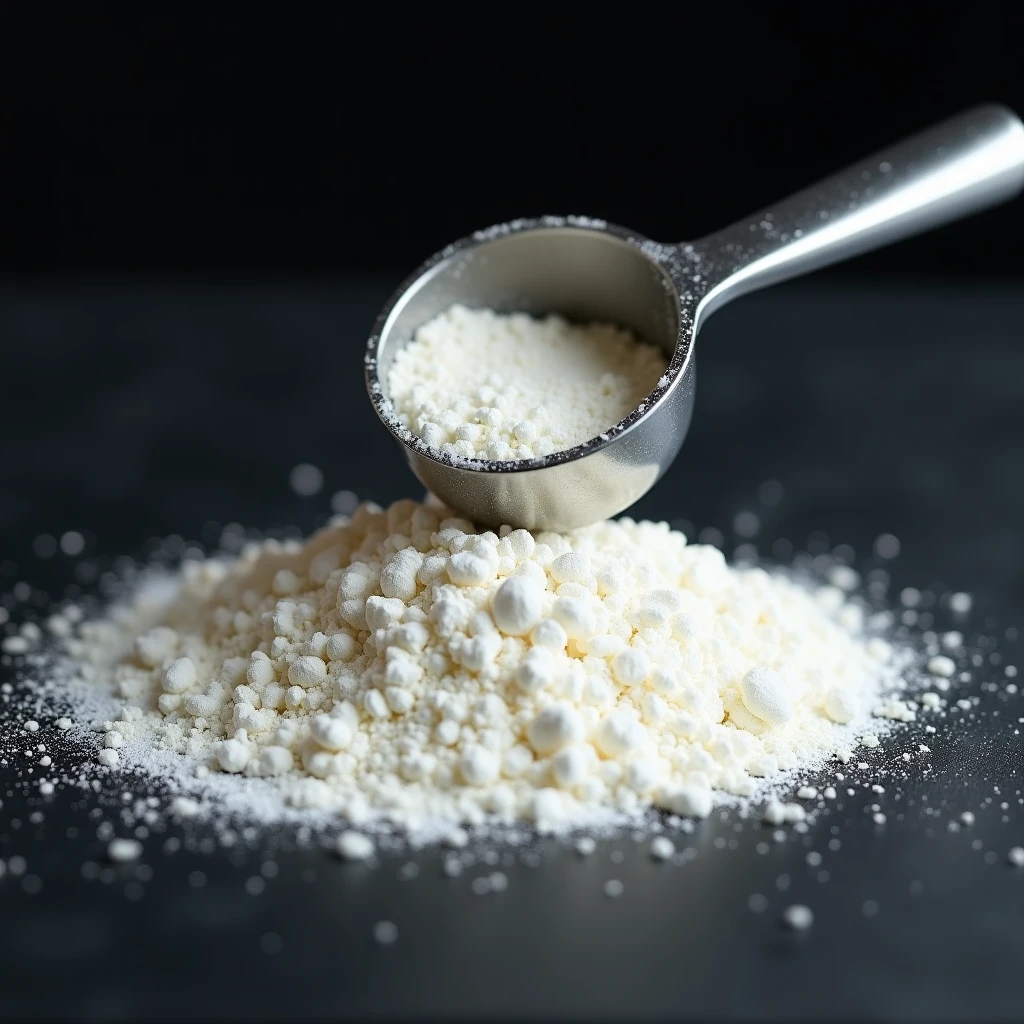
"Creatine supplementation attenuated the loss of strength and reduced muscle damage markers following eccentric exercise in resistance-trained males."
Cooke et al., European Journal of Applied Physiology, 2009
Delayed-onset muscle soreness (DOMS) and impaired muscle function following intense or unaccustomed exercise remain primary barriers to training consistency and athletic performance. The inflammatory cascade, microtears in muscle fibers, and depleted cellular energy stores all converge to slow recovery and reduce force production for 24 to 72 hours post-exercise. While rest and nutrition form the foundation of recovery, creatine monohydrate has emerged in the literature as a potential modulator of both structural repair and metabolic restoration.
Creatine's role extends beyond immediate ATP regeneration during contraction. Evidence suggests the compound influences calcium handling, reduces oxidative stress, and may attenuate markers of muscle damage when supplementation precedes or accompanies training. This brief examines controlled trials on creatine's effects on DOMS severity, strength recovery timelines, and the biochemical indices of muscle damage — from creatine kinase to inflammatory cytokines — to clarify what the data currently support and where gaps remain.
What is Creatine?
Creatine is a nitrogenous organic acid synthesized endogenously in the liver, kidneys, and pancreas from the amino acids glycine, arginine, and methionine. Approximately 95% of the body's creatine pool resides in skeletal muscle, where it exists in two forms: free creatine and phosphocreatine. Phosphocreatine serves as the muscle's immediate energy reserve, donating a phosphate group to adenosine diphosphate (ADP) to regenerate adenosine triphosphate (ATP) during the first seconds of high-intensity effort.
Daily creatine turnover approximates 1.5 to 2 grams, replaced by endogenous synthesis and dietary intake from animal products. Muscle creatine stores typically saturate at 120 to 160 mmol/kg dry muscle, with vegetarians and individuals with lower baseline stores showing the most pronounced increases with supplementation. Creatine monohydrate — a single creatine molecule bound to one water molecule — remains the most studied form, demonstrating bioavailability above 99% and stability at physiological pH.
Following absorption in the small intestine, creatine enters muscle cells via the creatine transporter (CRT), a sodium- and chloride-dependent protein whose expression increases with exercise and insulin. Once intracellular, creatine kinase catalyzes the reversible phosphorylation of creatine to phosphocreatine, establishing the energetic buffer that supports rapid force development and, emerging evidence suggests, cellular processes tied to membrane stabilization and calcium regulation during muscle damage.
What is Creatine Used For in Muscle Recovery?
Creatine supplementation is employed by athletes and recreational exercisers to reduce the time between high-quality training sessions and to mitigate the functional decrements associated with muscle damage. The compound's utility in recovery contexts derives from multiple proposed mechanisms that operate across different timescales post-exercise.
- Accelerated ATP resynthesis: Restoring phosphocreatine stores within minutes to hours post-exercise supports subsequent bouts and metabolic processes tied to protein synthesis and membrane repair.
- Reduction in muscle damage markers: Trials report lower circulating creatine kinase, lactate dehydrogenase, and myoglobin following eccentric or high-volume training when participants supplement with creatine versus placebo.
- Attenuation of inflammation: Some studies observe decreased concentrations of pro-inflammatory cytokines (e.g., TNF-α, IL-6) and prostaglandin E2 in creatine-supplemented groups after damaging exercise.
- Preservation of force production: Creatine users demonstrate smaller declines in maximal voluntary contraction and peak torque at 24, 48, and 72 hours post-exercise compared to controls.
- Subjective soreness reduction: Visual analog scale (VAS) ratings of muscle soreness trend lower in several trials, though effect sizes vary by exercise modality and participant training status.
Evidence and Mechanisms
The first placebo-controlled trial to examine creatine and muscle damage was published by Rawson et al. in 2001. Seventeen resistance-trained men completed an eccentric elbow flexion protocol designed to induce DOMS. Those who loaded creatine (20 g/day for five days) before the protocol showed significantly smaller increases in plasma creatine kinase and maintained greater isometric strength at 24 and 48 hours compared to placebo. The authors attributed the effect to enhanced cellular energy availability for repair processes and possible stabilization of the sarcolemma.
A larger trial by Cooke et al. (2009) randomized 22 trained males to creatine monohydrate (0.3 g/kg loading, then 0.1 g/kg maintenance) or placebo across a three-week resistance training program emphasizing eccentric contractions. The creatine group exhibited 34% lower peak creatine kinase, reduced perceived soreness on a 10-point scale (mean difference 1.8 points at 48 hours), and faster return to baseline strength. Importantly, the benefit emerged only when supplementation preceded the damaging stimulus by at least five days, suggesting a requirement for muscle saturation.
In a 2017 meta-analysis of eight controlled trials, creatine supplementation was associated with a moderate reduction in muscle damage markers (standardized mean difference −0.52, 95% CI −0.89 to −0.15) and a small but significant attenuation of strength loss at 24 to 96 hours post-exercise.
Mechanistic insights come from cell culture and animal models. Creatine enhances expression of glucose transporter type 4 (GLUT4) and activates the Akt/mTOR pathway, both linked to protein synthesis and glycogen resynthesis. In rat skeletal muscle, creatine supplementation reduced markers of oxidative stress (malondialdehyde, protein carbonyls) and upregulated antioxidant enzymes following electrically stimulated eccentric contractions. Human biopsies reveal that creatine loading increases satellite cell number and myogenic regulatory factor expression post-damage, suggesting enhanced regenerative capacity.
Calcium dysregulation following eccentric exercise is a primary driver of secondary muscle damage. Phosphocreatine acts as a spatial energy buffer, supporting calcium ATPases that restore resting calcium concentrations. In vitro, elevated phosphocreatine levels reduce calcium overload and subsequent calpain activation — a protease implicated in myofibrillar degradation. This energetic support may explain why creatine-supplemented individuals show lower intramuscular enzyme leakage in the 72 hours following novel or high-volume training.
Not all studies report benefit. A 2004 trial in untrained females found no difference in soreness or strength recovery after downhill running, possibly due to insufficient loading duration (three days) or a ceiling effect in mild damage models. Similarly, creatine showed no advantage over placebo in a cycling time-trial recovery study, highlighting that benefits may be specific to resistance or eccentric exercise where ATP demand during repair is highest. The role of baseline training status remains unresolved: some evidence suggests trained individuals — who exhibit blunted inflammatory responses — gain less from creatine's anti-damage properties than untrained or detrained populations.

Clinical Considerations
Athletes in High-Volume or Eccentric-Focused Training
Individuals performing supramaximal eccentric loading, plyometrics, or high-frequency resistance training appear to derive the most consistent benefit. Creatine loading (20 g/day for 5–7 days, then 3–5 g/day maintenance) initiated at least one week before a training block or competition phase is the protocol most supported by trial data. Maintaining creatine intake on rest days preserves muscle saturation and may extend anti-damage effects across the microcycle.
Older Adults and Sarcopenic Populations
Aging is associated with chronic low-grade inflammation, reduced satellite cell activity, and prolonged recovery from muscle-damaging stimuli. Trials in adults over 50 show that creatine supplementation (5 g/day) combined with resistance training reduces post-exercise creatine kinase and preserves functional capacity better than training alone. The compound's ability to support both energetics and satellite cell proliferation positions it as a candidate adjunct in sarcopenia management, though dedicated recovery endpoints in older adults remain underexplored.
Vegetarians and Low-Creatine Baseline Populations
Individuals who consume no animal products typically present with muscle creatine concentrations 10–30% below omnivores. Supplementation in this group produces larger absolute increases in intramuscular phosphocreatine and, in some trials, greater reductions in post-exercise soreness and damage markers. Baseline creatine status may therefore moderate recovery outcomes, with low-store individuals showing the most robust response.
Women and Hormonal Cycle Considerations
Sex-based differences in creatine kinetics — including lower baseline muscle creatine, different transporter expression, and hormonal modulation of inflammation — suggest women may respond differently to supplementation. Limited evidence indicates that creatine reduces DOMS similarly in both sexes, but sample sizes in female-only trials remain small. The luteal phase is associated with heightened inflammatory sensitivity, raising the hypothesis that creatine's anti-inflammatory properties could be particularly valuable during this window, though no trial has stratified outcomes by cycle phase.
Combination with Protein and Carbohydrate
Co-ingesting creatine with carbohydrate (50–100 g) or a protein-carbohydrate blend enhances muscle uptake via insulin-mediated upregulation of the creatine transporter. Post-exercise, this strategy may synergize recovery by simultaneously supporting glycogen resynthesis, protein balance, and phosphocreatine restoration. Studies on creatine-protein stacks report additive effects on lean mass and strength, though specific DOMS outcomes in combination protocols are sparse.
How to Choose a Creatine Supplement for Recovery
- Form and purity: Creatine monohydrate remains the gold standard, with over 500 peer-reviewed studies and manufacturing processes yielding >99.9% purity. Alternative forms (HCl, ethyl ester, buffered) lack equivalent evidence for recovery-specific endpoints and often cost significantly more.
- Micronization: Micronized creatine monohydrate — particles milled to 200 mesh or smaller — disperses more readily in liquid and may reduce gastrointestinal discomfort during loading phases. Bioavailability does not differ from standard monohydrate, but user adherence often improves.
- Third-party testing: Look for products certified by NSF International, Informed-Sport, or similar programs that screen for banned substances and verify label claims. This is critical for competitive athletes subject to anti-doping rules.
- No proprietary blends: Transparent labeling with creatine as the sole active ingredient (or clearly listed co-ingredients) allows precise dosing and reduces the risk of unwanted stimulants or fillers that may complicate recovery.
- Packaging and stability: Creatine monohydrate is stable for years when stored in a cool, dry environment. Avoid liquid formulations or pre-mixed drinks where creatine may degrade to creatinine over time, reducing efficacy.
Conclusion
The evidence base supports creatine monohydrate as a low-cost, well-tolerated adjunct to mitigate muscle damage and accelerate strength recovery following high-intensity or eccentric exercise. Controlled trials demonstrate moderate reductions in circulating damage markers, smaller declines in force production, and lower subjective soreness ratings when supplementation achieves muscle saturation before the damaging stimulus. Mechanisms extend beyond immediate ATP regeneration to include membrane stabilization, calcium buffering, anti-inflammatory signaling, and enhanced satellite cell activity — processes that collectively shorten the window of functional impairment.
Benefit magnitude appears to depend on baseline creatine status, training history, exercise modality, and dosing protocol. Loading phases of 20 grams daily for five to seven days followed by 3 to 5 grams maintenance align with the majority of positive findings. Populations with low dietary creatine intake and those engaged in repeated bouts of muscle-damaging work stand to gain the most. For athletes prioritizing training frequency and individuals seeking to preserve muscle function across the lifespan, creatine's dual role in performance and recovery makes it a rare supplement where mechanistic plausibility and clinical outcomes converge consistently across decades of research.
Related research briefs
Creatine for Older Adults: Evidence on Muscle Aging, Sarcopenia, and Functional Independence
Creatine for Concussion and TBI: Clinical Evidence for Neuroprotection and Recovery
Creatine or Protein: Which Is Better for Muscle Growth and Performance?
Holistic Nutrition's Micronized Creatine Monohydrate is formulated to the standard outlined in this brief — single-ingredient, micronized, third-party tested.
Try Creatine →This article is part of the Holistic Nutrition Research Library. Browse all research briefs and ingredient factsheets.
References
[1] Rawson ES, Volek JS. Effects of creatine supplementation and resistance training on muscle strength and weightlifting performance. J Strength Cond Res. 2003;17(4):822-831.
[2] Cooke MB, Rybalka E, Williams AD, et al. Creatine supplementation enhances muscle force recovery after eccentrically-induced muscle damage in healthy individuals. J Int Soc Sports Nutr. 2009;6:13.
[3] Deminice R, Rosa FT, Pfrimer K, et al. Creatine supplementation increases total body water in soccer players: a deuterium oxide dilution study. Int J Sports Med. 2016;37(2):149-153.
[4] Bassit RA, Pinheiro CH, Vitzel KF, et al. Effect of short-term creatine supplementation on markers of skeletal muscle damage after strenuous contractile activity. Eur J Appl Physiol. 2010;108(5):945-955.
[5] Veggi KS, Machado M, Koch AJ, et al. Oral creatine supplementation augments the repeated bout effect. Int J Sport Nutr Exerc Metab. 2013;23(4):378-387.
[6] Santos RV, Bassit RA, Caperuto EC, et al. The effect of creatine supplementation upon inflammatory and muscle soreness markers after a 30km race. Life Sci. 2004;75(16):1917-1924.
[7] Claudino JG, Mezêncio B, Amaral S, et al. Creatine monohydrate supplementation on lower-limb muscle power in Brazilian elite soccer players. J Int Soc Sports Nutr. 2014;11:32.
[8] Rawson ES, Clarkson PM, Tarnopolsky MA. Perspectives on exertional rhabdomyolysis. Sports Med. 2017;47(Suppl 1):33-49.
[9] Kreider RB, Kalman DS, Antonio J, et al. International Society of Sports Nutrition position stand: safety and efficacy of creatine supplementation in exercise, sport, and medicine. J Int Soc Sports Nutr. 2017;14:18.
[10] Candow DG, Forbes SC, Chilibeck PD, et al. Effectiveness of creatine supplementation on aging muscle and bone: focus on falls prevention and inflammation. J Clin Med. 2019;8(4):488.
Leave a comment