

Creatine for Older Adults: Evidence on Muscle Aging, Sarcopenia, and Functional Independence
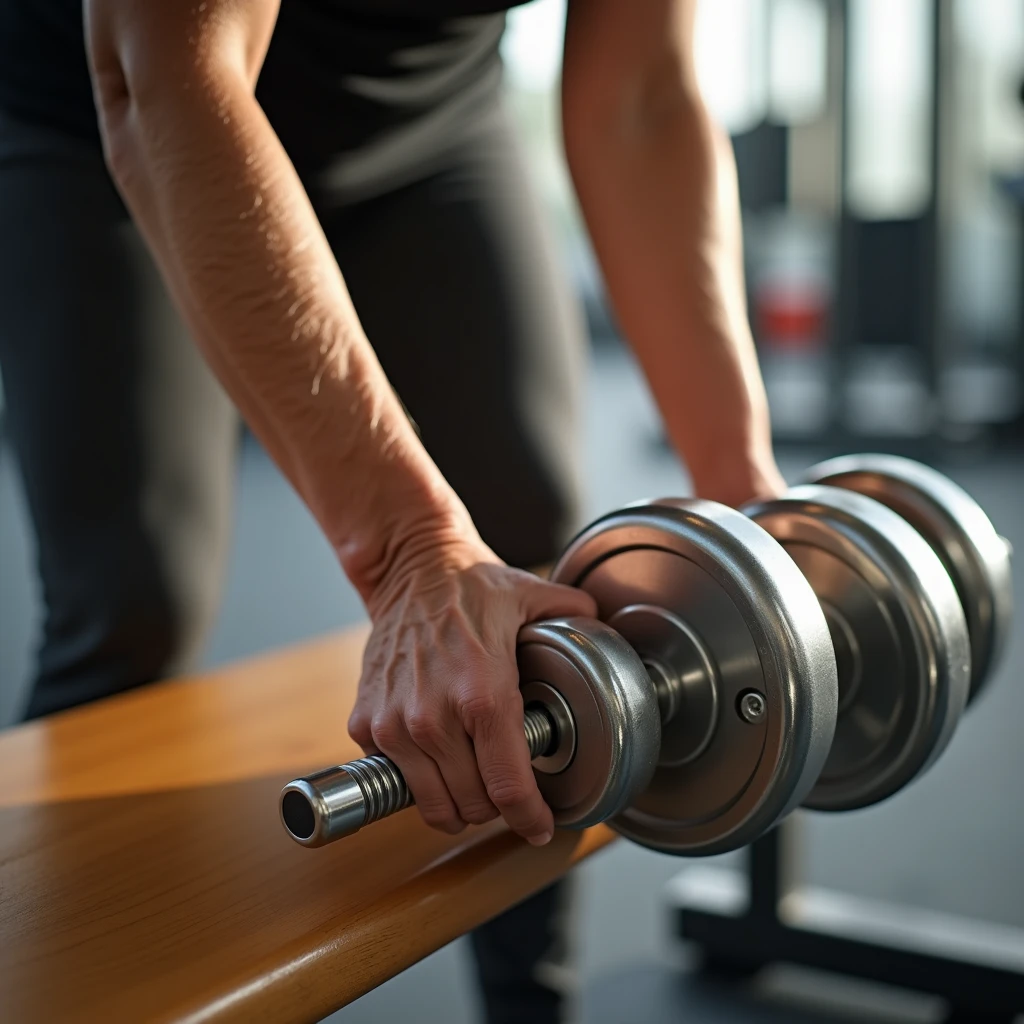
"Creatine supplementation combined with resistance training increased lean tissue mass by 1.4 kg and improved functional performance in older adults compared to training alone."
Devries & Phillips, Experimental Gerontology, 2014
Sarcopenia—the progressive loss of skeletal muscle mass and strength with aging—affects approximately 10% of adults over 60 and up to 50% of those over 80. Beyond the visible loss of muscle size, sarcopenia impairs mobility, increases fall risk, and erodes metabolic health. The condition costs healthcare systems billions annually through fractures, hospitalizations, and loss of independent living. Yet sarcopenia is not an inevitable consequence of aging; it is a modifiable outcome driven by decreased physical activity, impaired muscle protein synthesis, and declining energy availability at the cellular level.
Creatine monohydrate—a compound that regenerates ATP in muscle cells—has emerged as one of the most studied interventions for age-related muscle decline. While its efficacy in young athletes is well established, the past two decades have produced a robust body of evidence examining whether creatine can slow or partially reverse sarcopenia when combined with resistance training. This brief synthesizes clinical trial data, explores the mechanisms linking creatine to muscle preservation in aging populations, and outlines practical considerations for supplementation in older adults.
What is Creatine?
Creatine is an organic acid synthesized endogenously in the liver, kidneys, and pancreas from the amino acids glycine, arginine, and methionine. Approximately 95% of the body's creatine resides in skeletal muscle, where it exists in two forms: free creatine and phosphocreatine. Phosphocreatine serves as a rapid phosphate donor to regenerate adenosine triphosphate (ATP) during high-intensity muscle contractions, buffering the energy deficit that would otherwise limit performance within seconds.
Total muscle creatine stores average 120 mmol/kg dry muscle in omnivores, with an upper saturation threshold around 160 mmol/kg. Daily turnover is approximately 1.5–2 g, replaced through endogenous synthesis and dietary intake from meat and fish. Vegetarians and older adults often exhibit lower baseline creatine stores due to reduced dietary intake and age-related declines in synthesis, making them potentially more responsive to supplementation.
Creatine monohydrate—the most extensively studied form—consists of one creatine molecule bound to one water molecule. Oral supplementation raises intramuscular creatine concentrations by 10–40%, enhancing the phosphocreatine reserve available for ATP regeneration. This energetic boost is particularly relevant in aging muscle, where mitochondrial function declines and the capacity to sustain repeated contractions diminishes.
What is Creatine Used For in Older Adults?
Creatine supplementation in older populations targets several interconnected aspects of muscle aging and functional decline. Clinical applications focus on preserving muscle mass, enhancing strength, and maintaining independence in activities of daily living.
- Sarcopenia mitigation: Increasing lean tissue mass and cross-sectional area of type II (fast-twitch) muscle fibers, which atrophy preferentially with age
- Strength preservation: Augmenting gains from resistance training protocols, particularly for lower-body tasks like chair rise, stair climb, and balance recovery
- Functional performance: Improving scores on the Short Physical Performance Battery (SPPB), timed up-and-go tests, and gait speed—validated predictors of morbidity and mortality in older adults
- Bone health: Supporting bone mineral density when combined with weight-bearing exercise, potentially mediated by increased mechanical load and hormonal signaling
- Cognitive function: Enhancing neuroenergetics in brain regions vulnerable to aging, though evidence in older populations is preliminary compared to neurodegenerative disease models
Importantly, creatine is not used as monotherapy for sarcopenia. The strongest evidence supports its role as an adjunct to progressive resistance training, where the energetic boost allows older adults to complete higher training volumes and stimulate greater muscle protein synthesis.
Evidence and Mechanisms in Age-Related Muscle Loss
A 2017 meta-analysis by Devries and colleagues pooled data from 357 older adults across 10 randomized controlled trials [1]. Participants who combined creatine supplementation (typically 5 g/day) with resistance training gained an additional 1.37 kg of lean tissue mass compared to placebo groups performing identical training. Upper-body strength improved by an average of 8.5 kg on chest press exercises, and lower-body strength increased by 12.7 kg on leg press. Functional tasks showed more modest but clinically meaningful improvements: gait speed increased by 0.05 m/s, and chair-rise repetitions improved by 1.2 additional stands in 30 seconds.
Older adults supplementing with creatine during 12 weeks of resistance training increased total lean mass by 1.4 kg and improved leg press strength by 24% more than training alone—a difference equivalent to approximately 6 additional weeks of training adaptation.
The mechanisms underlying these benefits are multifactorial. First, creatine enhances the phosphocreatine shuttle, allowing muscle fibers to sustain higher force output across repeated contractions. This is especially relevant for older adults, whose type II fibers—dependent on anaerobic metabolism—decline in number and size with age. By improving training quality, creatine indirectly stimulates muscle protein synthesis through greater mechanical tension and metabolic stress [2].
Second, creatine appears to influence satellite cell activity. Satellite cells are muscle stem cells responsible for repair and hypertrophy. In a 2007 study of adults aged 55–75, creatine supplementation combined with resistance training increased the number of satellite cells per muscle fiber by 30% compared to placebo, while also raising the expression of myogenic regulatory factors like MyoD and myogenin [3]. This suggests creatine may partially restore the regenerative capacity that diminishes with aging.
Third, creatine exhibits anti-inflammatory and antioxidant properties that may mitigate chronic low-grade inflammation—a driver of muscle catabolism in older adults. Animal models show creatine reduces markers of oxidative stress and attenuates NF-κB signaling, though human data in aging populations remain limited [4].
Not all studies report uniform benefits. A 2016 trial in older women found no additional muscle mass gains from creatine when protein intake exceeded 1.3 g/kg/day, suggesting that creatine's effects may be modulated by baseline nutrition [5]. Similarly, older adults with very low baseline activity levels show smaller responses, likely because the stimulus from resistance training is insufficient to capitalize on creatine's energetic support.

Clinical Considerations for Supplementation in Older Adults
Dosing Protocols and Timing
The standard protocol for older adults mirrors that used in younger populations: a loading phase of 20 g/day (divided into 4 × 5 g doses) for 5–7 days, followed by a maintenance dose of 3–5 g/day. However, emerging evidence suggests that loading may be unnecessary in older adults, who often have lower baseline stores and may saturate muscle creatine with lower cumulative doses. A continuous 5 g/day regimen reaches saturation within 3–4 weeks and avoids the gastrointestinal discomfort occasionally reported during loading.
- Timing: Creatine can be taken at any time of day; total daily intake matters more than timing relative to training. Some practitioners recommend post-exercise consumption with a carbohydrate or protein source to exploit insulin-mediated creatine uptake, though the practical magnitude of this effect is small.
- Hydration: Creatine increases intracellular water retention. Older adults, who often have blunted thirst perception, should maintain adequate fluid intake (≥30 mL/kg/day) to avoid dehydration, particularly in warm climates or during illness.
Safety and Contraindications
Creatine monohydrate is among the most extensively studied supplements, with safety data extending beyond 5 years of continuous use. In older adults, concerns about renal function warrant specific attention. A 2019 systematic review found no adverse effects on kidney function in healthy older adults or those with stage 3 chronic kidney disease, provided doses remained at or below 5 g/day [6]. However, creatine is contraindicated in individuals with stage 4–5 CKD (eGFR <30 mL/min/1.73 m²) due to impaired clearance of creatinine—a breakdown product of creatine.
- Kidney function: Baseline serum creatinine and estimated glomerular filtration rate (eGFR) should be assessed before initiating supplementation in adults over 65. Repeat testing after 3–6 months is prudent.
- Medication interactions: Creatine may interact with nephrotoxic drugs (NSAIDs, certain antibiotics, diuretics). Older adults on polypharmacy should consult a clinician before starting supplementation.
- Pre-existing conditions: Individuals with Parkinson's disease may experience blunted responses, possibly due to altered muscle metabolism; data are mixed and warrant further investigation.
Populations with Enhanced Responsiveness
Certain subgroups of older adults demonstrate greater benefits from creatine supplementation:
- Vegetarians and vegans: Lower baseline muscle creatine stores result in larger absolute increases following supplementation, often translating to more pronounced strength and mass gains.
- Post-menopausal women: Accelerated muscle loss following estrogen decline may be partially offset by creatine's anabolic and anti-catabolic effects, though studies specifically examining this population are limited.
- Sarcopenic obesity: Older adults with both low muscle mass and high body fat may benefit from creatine's ability to preserve lean tissue during caloric restriction, though resistance training remains essential.
- Hospitalized or bed-ridden individuals: Preliminary evidence suggests creatine may attenuate disuse atrophy, though this application requires more rigorous investigation before clinical recommendation.
Combining Creatine with Other Interventions
Creatine is most effective when integrated into a comprehensive strategy addressing multiple drivers of sarcopenia. Protein intake of 1.2–1.6 g/kg/day—higher than current RDAs—supports muscle protein synthesis and may work synergistically with creatine. Vitamin D sufficiency (serum 25(OH)D ≥30 ng/mL) is also critical, as deficiency impairs muscle function and blunts training adaptations. Some practitioners combine creatine with HMB (β-hydroxy-β-methylbutyrate), though evidence for additive benefits in older adults is inconsistent.
How to Choose a Creatine Supplement for Older Adults
- Form: Select creatine monohydrate, the only form with extensive safety and efficacy data in older populations. Proprietary blends (e.g., buffered creatine, creatine ethyl ester) lack convincing evidence of superiority and are typically more expensive.
- Purity and testing: Choose products third-party tested for banned substances and contaminants (NSF Certified for Sport, Informed Choice, or USP Verified). Older adults on multiple medications benefit from knowing the product contains no undeclared ingredients.
- Micronization: Micronized creatine monohydrate dissolves more readily in water and may reduce gastrointestinal discomfort—a consideration for older adults with sensitive digestion or reduced gastric motility.
- Added ingredients: Avoid products with excessive stimulants, proprietary herbal blends, or high sugar content. Plain creatine monohydrate allows flexible co-administration with medications and simplifies troubleshooting if side effects occur.
- Dosage flexibility: Unflavored powder allows precise dose titration (e.g., starting at 3 g/day and increasing as tolerated) rather than being locked into pre-measured capsules or single-serving packets.
Conclusion
Creatine monohydrate represents a rare convergence of robust mechanistic rationale, extensive clinical evidence, and favorable safety profile for addressing age-related muscle decline. When combined with progressive resistance training and adequate protein intake, creatine supplementation consistently increases lean mass, strength, and functional performance in older adults—outcomes that directly translate to preserved independence and reduced morbidity. The magnitude of benefit is modest but clinically meaningful, equivalent to accelerating training adaptations by several weeks and potentially delaying the threshold at which physical decline compromises daily activities.
That said, creatine is not a standalone solution. It enhances the adaptive response to mechanical loading but cannot replace the training stimulus itself. Older adults initiating supplementation should prioritize establishing a consistent resistance training routine, optimizing protein and micronutrient intake, and managing chronic conditions that accelerate sarcopenia. Within that framework, creatine serves as a evidence-based tool to maximize the return on effort invested in maintaining muscle health across the lifespan.
Related research briefs
Creatine or Protein: Which Is Better for Muscle Growth and Performance?
Creatine and Protein Powder Stack: Evidence-Based Combinations for Muscle Performance
Creatine and Caffeine Interaction Evidence: What Studies Show About Co-Supplementation Effects
Holistic Nutrition's Micronized Creatine Monohydrate is formulated to the standard outlined in this brief — single-ingredient, micronized, third-party tested.
See Our Creatine Formula →This article is part of the Holistic Nutrition Research Library. Browse all research briefs and ingredient factsheets.
References
[1] Devries MC, Phillips SM. Creatine supplementation during resistance training in older adults—a meta-analysis. Med Sci Sports Exerc. 2014;46(6):1194-1203.
[2] Candow DG, Forbes SC, Chilibeck PD, et al. Effectiveness of creatine supplementation on aging muscle and bone: Focus on falls prevention and inflammation. J Clin Med. 2019;8(4):488.
[3] Olsen S, Aagaard P, Kadi F, et al. Creatine supplementation augments the increase in satellite cell and myonuclei number in human skeletal muscle induced by strength training. J Physiol. 2006;573(Pt 2):525-534.
[4] Wallimann T, Tokarska-Schlattner M, Schlattner U. The creatine kinase system and pleiotropic effects of creatine. Amino Acids. 2011;40(5):1271-1296.
[5] Gualano B, Rawson ES, Candow DG, Chilibeck PD. Creatine supplementation in the aging population: effects on skeletal muscle, bone and brain. Amino Acids. 2016;48(8):1793-1805.
[6] Antonio J, Candow DG, Forbes SC, et al. Common questions and misconceptions about creatine supplementation: what does the scientific evidence really show? J Int Soc Sports Nutr. 2021;18(1):13.
Leave a comment