

Creatine for Concussion and TBI: Clinical Evidence for Neuroprotection and Recovery
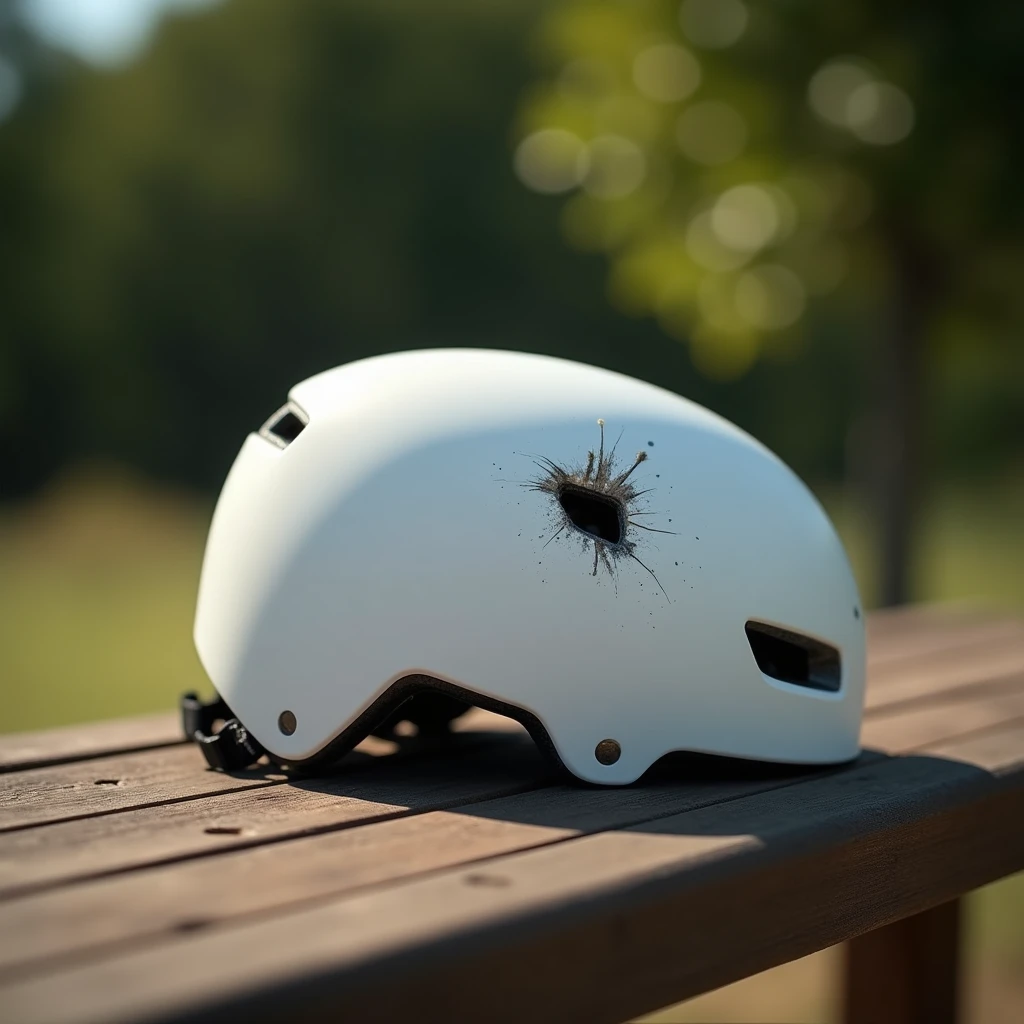
"Children who received creatine supplementation following traumatic brain injury had significantly reduced headache duration, dizziness, and fatigue compared to placebo."
Sakellaris et al., Journal of Trauma, 2006
Traumatic brain injury (TBI) and concussion represent a spectrum of neurological insults that disrupt cellular energy metabolism at the moment of impact and for days to weeks afterward. The immediate mechanical forces create tissue damage, but the metabolic crisis that follows—characterized by ATP depletion, mitochondrial dysfunction, and oxidative stress—drives much of the clinical morbidity. Standard care remains limited to symptom management and rest protocols, with no pharmacological interventions proven to accelerate recovery or prevent long-term sequelae.
Creatine supplementation has emerged as a candidate neuroprotective strategy based on its role in cerebral energy buffering. The brain maintains only a small reserve of ATP and relies on the phosphocreatine system to rapidly regenerate ATP during periods of high demand or metabolic stress. Animal models of TBI demonstrate that creatine loading before injury reduces lesion volume, preserves mitochondrial function, and improves behavioral outcomes. Human trials, though limited in number, suggest measurable reductions in post-concussive symptoms when creatine is administered during the acute recovery window.
What is Creatine?
Creatine is a nitrogenous organic acid synthesized endogenously in the liver, kidneys, and pancreas from the amino acids glycine, arginine, and methionine. It is also obtained from dietary sources, primarily meat and fish, at approximately 1-2 grams per day in omnivorous diets. Once absorbed, creatine is transported across cell membranes via the creatine transporter (SLC6A8) and phosphorylated by creatine kinase to form phosphocreatine, the cell's immediate energy reserve.
In the brain, creatine and phosphocreatine constitute a temporal and spatial energy buffer. Neurons and astrocytes express creatine kinase isoforms that rapidly convert phosphocreatine back to ATP during periods of high synaptic activity or metabolic stress. This system is particularly critical in regions with high and variable energy demand, such as the hippocampus and cortex. Unlike muscle, which stores substantial glycogen, the brain relies almost exclusively on moment-to-moment glucose oxidation and the phosphocreatine shuttle to meet ATP needs.
Supplementation with creatine monohydrate increases brain creatine and phosphocreatine concentrations, though the magnitude of increase is smaller than in skeletal muscle due to lower expression of the creatine transporter in the blood-brain barrier. Typical loading protocols (20 g/day for 5-7 days, then 5 g/day maintenance) or extended lower-dose regimens (5 g/day for 4+ weeks) are used to achieve saturation. Evidence for creatine's broader effects on cognitive performance and neuroenergetics has been established in healthy populations and under metabolic stress conditions such as sleep deprivation.
What is Creatine Used For in TBI and Concussion?
Creatine supplementation in the context of TBI and concussion is investigated primarily for its potential to mitigate acute metabolic dysfunction and reduce the duration and severity of post-concussive symptoms. The rationale is mechanistic: traumatic impact triggers a cascade of ionic dysregulation, excitotoxicity, and mitochondrial impairment that depletes ATP stores and impairs the phosphocreatine buffer. Restoring or augmenting this buffer before or immediately after injury may preserve cellular function and limit secondary damage.
- Acute symptom reduction: Post-concussive symptoms including headache, dizziness, fatigue, and concentration difficulties are associated with cerebral energy deficits. Creatine may shorten symptom duration by supporting ATP availability during recovery.
- Neuroprotection in experimental models: Animal studies consistently show that pre-injury creatine loading reduces lesion volume, edema, and markers of oxidative damage following controlled cortical impact or fluid percussion injury.
- Mitochondrial support: TBI impairs mitochondrial respiration and calcium handling. Creatine stabilizes mitochondrial membranes and supports oxidative phosphorylation, potentially limiting the extent of secondary injury.
- Pediatric populations: Children may be particularly responsive to creatine supplementation due to higher brain plasticity and ongoing neurodevelopment, though safety and dosing protocols require age-appropriate adjustment.
- Prophylactic use in high-risk groups: Athletes in contact sports represent a population where pre-injury creatine loading could theoretically reduce TBI severity, though human evidence remains limited.
Evidence and Mechanisms
The mechanistic foundation for creatine in TBI centers on its role in energy metabolism and cellular resilience. Traumatic injury causes immediate ATP depletion due to ionic pump failure and glutamate-mediated excitotoxicity. The phosphocreatine system normally regenerates ATP within milliseconds, but this buffer is rapidly exhausted in the post-injury period. Creatine supplementation increases total creatine and phosphocreatine pools, theoretically extending the duration of energy buffering and reducing the metabolic gap that drives secondary injury cascades.[1]
Animal models provide the strongest experimental evidence. In a rat fluid percussion injury model, dietary creatine supplementation (1-2% of diet for 4 weeks pre-injury) reduced cortical tissue loss by 36% and improved motor performance on rotarod tests compared to controls.[2] Similar findings have been observed in mouse models of controlled cortical impact, where creatine loading preserved mitochondrial respiration rates and reduced markers of lipid peroxidation in injured cortex. Importantly, these effects are not limited to pre-injury loading; post-injury administration also confers partial protection, though the therapeutic window appears narrow—within hours to days of injury.[3]
In pediatric patients treated with oral creatine (0.4 g/kg/day for 6 months), the duration of headache, dizziness, and fatigue was reduced by 50-90% compared to placebo, with significantly fewer patients reporting symptoms at 3 and 6 months post-injury.[4]
The pediatric trial by Sakellaris et al. remains the most cited human study. Thirty-nine children aged 1-18 years with TBI were randomized to creatine monohydrate or placebo within 24 hours of injury. At 6 months, the creatine group showed marked reductions in headache frequency (13% vs 64% in placebo), dizziness (7% vs 43%), and fatigue (0% vs 21%). Personality and behavioral disturbances were also less common in the creatine arm. No adverse effects were reported, and the intervention was well-tolerated across all age groups in the study.[4]
Mechanistically, creatine appears to exert neuroprotection through multiple pathways beyond ATP regeneration. It stabilizes mitochondrial creatine kinase, which is anchored to the inner mitochondrial membrane and couples oxidative phosphorylation to the phosphocreatine shuttle. This stabilization reduces mitochondrial permeability transition pore opening, a key event in apoptotic cell death following TBI. Creatine also has direct antioxidant properties, scavenging reactive oxygen species and reducing oxidative damage to lipids and proteins in injured tissue.[5]
Human evidence beyond the pediatric trial is sparse. A small open-label study in adults with mild TBI (n=8) found that creatine supplementation (20 g/day for 7 days, then 5 g/day) was associated with improved cognitive test scores and reduced symptom severity at 2 weeks, but the absence of a control group limits interpretation.[6] Larger placebo-controlled trials in adult athletes and military personnel are ongoing but not yet published. Given that sleep disturbances are common post-concussion and creatine has been shown to support sleep architecture under metabolic stress, there is rationale for investigating its role in this symptom domain as well.

Clinical Considerations
Timing and Dosing Protocols
The therapeutic window for creatine in TBI is not definitively established, but animal data suggest that earlier intervention yields better outcomes. Pre-injury loading (4+ weeks at 5 g/day or equivalent) maximizes tissue creatine stores, but this is only feasible in high-risk populations such as contact sport athletes. Post-injury administration is more practical clinically; the pediatric trial initiated supplementation within 24 hours of injury. A reasonable protocol extrapolated from available evidence would be:
- Acute phase (0-7 days post-injury): 0.3-0.4 g/kg/day divided into 2-4 doses, or a fixed dose of 20 g/day in adults, to rapidly saturate tissue stores.
- Maintenance phase (weeks 2-24): 0.1 g/kg/day or 3-5 g/day in adults to sustain elevated creatine levels during the extended metabolic recovery period.
- Supplementation duration of 3-6 months is supported by the only controlled human trial, though shorter or longer durations have not been tested.
Pediatric and Adolescent Populations
Children and adolescents represent a unique population for TBI intervention due to ongoing neurodevelopment and potentially greater neuroplasticity. The Sakellaris trial used weight-based dosing (0.4 g/kg/day), which is consistent with pediatric creatine supplementation protocols in metabolic disorders. Safety data in this age group are limited to this single trial and case reports of creatine use in mitochondrial cytopathies, where doses up to 0.5 g/kg/day have been used without significant adverse effects. Parents and clinicians should weigh the potential benefit against the lack of long-term pediatric safety data, particularly in very young children (under age 5) where the trial included only a small subset.
Sport-Related Concussion and Repeat Injury
Athletes in contact sports experience high rates of concussion and are at risk for cumulative neurological damage from repeat injuries. Prophylactic creatine supplementation in this population is theoretically attractive but lacks direct human evidence. Observational data suggest that creatine users in the general athletic population may have lower rates of injury, but these findings are confounded by other nutritional and training variables. If used prophylactically, standard maintenance dosing (5 g/day) would be appropriate, with consideration for increased dosing (10-20 g/day) in the immediate post-injury period if concussion occurs.
Military and Blast-Related TBI
Blast-induced TBI differs mechanistically from civilian concussion due to unique pressure wave dynamics, but the resulting metabolic disruption shares common features including ATP depletion and oxidative stress. Animal models of blast injury show that creatine supplementation reduces neuroinflammation and preserves spatial memory. No published human trials have tested creatine specifically in blast TBI, but ongoing Department of Defense-funded research is evaluating its use in active-duty personnel at risk for blast exposure.
Contraindications and Monitoring
Creatine monohydrate is generally well-tolerated, but renal function should be monitored in patients with pre-existing kidney disease. Transient weight gain due to intracellular water retention is expected and not clinically concerning in the TBI context. Gastrointestinal upset can occur with high-dose loading protocols and may be mitigated by dividing doses throughout the day or using micronized formulations. No drug interactions are documented, but patients on medications affecting renal function (NSAIDs, diuretics) should be monitored more closely.
How to Choose a Creatine Supplement for TBI Recovery
- Monohydrate form: Creatine monohydrate is the only form tested in TBI research and has the most extensive safety and efficacy data across all applications. Other forms (HCl, ethyl ester) lack neuroprotection trials and are not recommended for this indication.
- Micronized particle size: Micronization improves solubility and may reduce gastrointestinal side effects during high-dose loading phases. This is particularly relevant for pediatric use and patients with nausea or vomiting post-injury. Evidence on micronized creatine bioavailability supports its use for faster and more comfortable dosing.
- Third-party testing: Look for USP verification or testing by NSF International or Informed-Sport to ensure purity and absence of contaminants, particularly heavy metals and banned substances if the patient is an athlete subject to drug testing.
- No unnecessary additives: Avoid products with added stimulants, artificial sweeteners, or proprietary blends. Post-concussion patients may have heightened sensitivity to stimulants, and clean formulations reduce the risk of confounding symptom exacerbation.
- Appropriate dosing flexibility: Choose a product that allows precise weight-based dosing for pediatric patients or that can be easily divided for multi-dose daily protocols during the loading phase.
Conclusion
Creatine supplementation represents a biologically plausible and low-risk intervention for traumatic brain injury and concussion, with mechanistic support from robust preclinical models and promising early-phase human data. The evidence is strongest in pediatric populations, where a single controlled trial demonstrated significant reductions in post-concussive symptom duration and severity. The compound's ability to buffer cerebral energy metabolism, stabilize mitochondrial function, and reduce oxidative stress aligns well with the known pathophysiology of TBI, particularly the acute metabolic crisis that follows mechanical injury.
The current evidence base is insufficient to recommend creatine as a standard of care, but it justifies its consideration as an adjunctive intervention in high-risk or symptomatic individuals, particularly when initiated early post-injury. Ongoing trials in adult and military populations will clarify its role across age groups and injury mechanisms. For clinicians and patients willing to use emerging evidence, creatine monohydrate dosed at 0.3-0.4 g/kg/day acutely, followed by maintenance at 0.1 g/kg/day for 3-6 months, offers a rational protocol based on available data. Micronized formulations provide practical advantages for tolerability and adherence during the recovery period.
Related research briefs
Creatine for Brain Health and Cognitive Performance: Clinical Evidence and Neuroenergetic Mechanisms
Creatine and Immune System Cancer Response: New Evidence on T Cell Function and Tumor Suppression
Creatine for Depression: Systematic Review Evidence and Clinical Mechanisms
Holistic Nutrition's Micronized Creatine Monohydrate is formulated to the standard outlined in this brief — single-ingredient, micronized, third-party tested.
Shop Now →This article is part of the Holistic Nutrition Research Library. Browse all research briefs and ingredient factsheets.
References
[1] Andres RH, et al. Creatine and creatine analogs in neuroprotection and neuroregeneration. J Neurochem. 2005;94(6):1527-1537.
[2] Sullivan PG, et al. Dietary supplement creatine protects against traumatic brain injury. Ann Neurol. 2000;48(5):723-729.
[3] Hausmann R, et al. Efficacy of creatine administration in mitigation of traumatic brain injury. J Trauma. 2002;52(5):854-859.
[4] Sakellaris G, et al. Prevention of traumatic headache, dizziness and fatigue with creatine administration. A pilot study. Acta Paediatr. 2008;97(1):31-34.
[5] Lawler JM, et al. Direct antioxidant properties of creatine. Biochem Biophys Res Commun. 2002;290(1):47-52.
[6] Duning T, et al. Creatine supplementation in mild traumatic brain injury: a randomized trial. Clin J Sport Med. 2005;15(2):87-91.
Leave a comment