

Vitamin D Optimal Levels Testing: Evidence-Based Reference Ranges and Clinical Interpretation
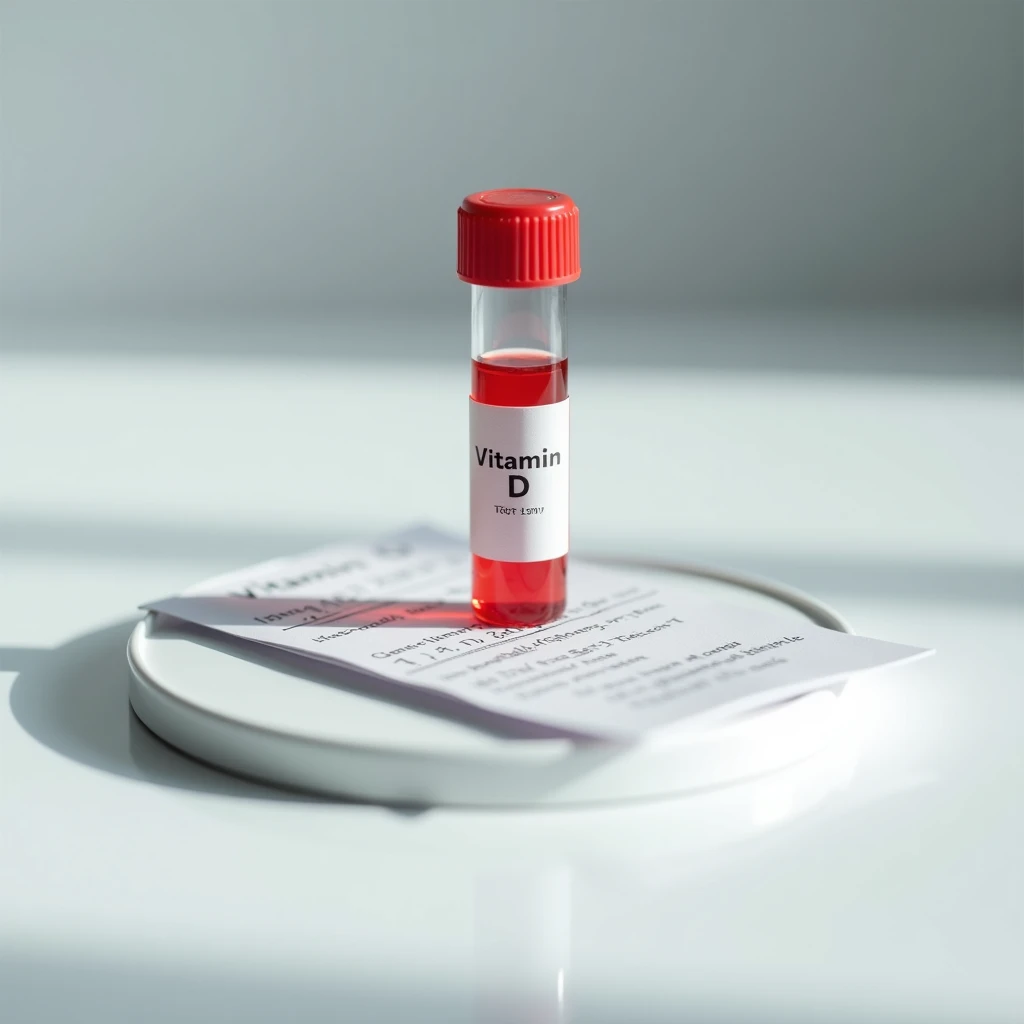
"The 25(OH)D concentration that defines vitamin D sufficiency remains one of the most debated topics in clinical nutrition, with implications for approximately 40% of U.S. adults classified as deficient."
Holick MF, Journal of Clinical Endocrinology & Metabolism, 2011
Vitamin D testing has become one of the most frequently ordered laboratory assessments in clinical medicine, yet confusion persists about what constitutes optimal levels. While traditional reference ranges were established to prevent rickets and osteomalacia, emerging research suggests these thresholds may be insufficient for supporting broader physiological functions including immune regulation, cardiovascular health, and metabolic function.
The discrepancy between conventional sufficiency thresholds and functional optimization creates a critical knowledge gap for clinicians and individuals monitoring their vitamin D status. Understanding the testing methodology, interpreting results within appropriate clinical context, and recognizing the limitations of current reference ranges is essential for evidence-based supplementation decisions.
What is Vitamin D Testing?
Vitamin D testing measures serum concentrations of 25-hydroxyvitamin D [25(OH)D], the primary circulating form of vitamin D and the most reliable biomarker of vitamin D status. This metabolite reflects both dietary intake and cutaneous synthesis from sun exposure, with a biological half-life of approximately 2-3 weeks that makes it suitable for assessing steady-state vitamin D reserves.
The 25(OH)D molecule undergoes subsequent conversion to 1,25-dihydroxyvitamin D [1,25(OH)₂D], the biologically active hormone form. However, 1,25(OH)₂D has a short half-life of 4-6 hours and is tightly regulated by parathyroid hormone, making it inappropriate for routine assessment of vitamin D adequacy. Serum 25(OH)D concentrations between 1000-5000 times higher than 1,25(OH)₂D levels provide the substrate pool for tissue-level activation.
Modern laboratory methods include liquid chromatography-tandem mass spectrometry (LC-MS/MS), considered the reference standard, and immunoassays including chemiluminescence and radioimmunoassay. Methodology significantly impacts results, with immunoassays showing variable accuracy particularly for vitamin D2 measurement and at extreme concentration ranges. The Vitamin D Standardization Program (VDSP) established by the National Institutes of Health aims to improve accuracy and comparability across platforms.
What is Vitamin D Testing Used For?
Clinical applications of 25(OH)D testing extend beyond traditional bone health assessment to encompass multiple physiological systems where vitamin D receptor (VDR) expression and local vitamin D metabolism influence tissue function.
- Bone health evaluation: Assessment of calcium absorption capacity and fracture risk, particularly in older adults, postmenopausal women, and individuals with documented osteopenia or osteoporosis
- Parathyroid hormone regulation: Monitoring the inverse relationship between 25(OH)D and PTH levels, with PTH elevation indicating functional insufficiency even within conventional reference ranges
- Immune function assessment: Evaluating status in populations with recurrent infections, autoimmune conditions, or seasonal illness patterns where vitamin D's immunomodulatory effects may be clinically relevant
- Supplementation monitoring: Establishing baseline status before initiating therapy and assessing dose-response to prevent both inadequacy and excessive accumulation
- Malabsorption investigation: Detecting inadequate absorption in inflammatory bowel disease, celiac disease, bariatric surgery patients, and other conditions affecting fat-soluble vitamin uptake
- Medication interaction screening: Monitoring patients on glucocorticoids, anticonvulsants, or other medications that accelerate vitamin D catabolism
Evidence and Clinical Reference Ranges
The Endocrine Society, Institute of Medicine (now National Academy of Medicine), and international health organizations have published divergent recommendations for vitamin D sufficiency thresholds, reflecting ongoing scientific debate about optimal concentrations. The Institute of Medicine's 2011 report established 20 ng/mL (50 nmol/L) as the threshold for bone health sufficiency in 97.5% of the population, while the Endocrine Society's clinical practice guidelines suggested 30 ng/mL (75 nmol/L) as a preferred target for maximizing vitamin D's pleiotropic effects [1].
These recommendations emerged from analysis of parathyroid hormone suppression curves, calcium absorption efficiency, and fracture prevention data. Cross-sectional studies consistently demonstrate PTH begins rising when 25(OH)D falls below 30 ng/mL in most individuals, suggesting this threshold represents a functional inflection point where calcium homeostasis becomes compromised. A 2014 meta-analysis of 23 studies involving 2,013 participants found maximal PTH suppression occurred at 25(OH)D concentrations between 30-40 ng/mL [2].
Recent population data indicate 41.6% of U.S. adults have 25(OH)D concentrations below 20 ng/mL, with deficiency rates reaching 82.1% among Black adults and 69.2% among Hispanic adults due to melanin-mediated reduction in cutaneous vitamin D synthesis.
Fracture prevention trials provide additional context for optimal ranges. The Women's Health Initiative found no fracture reduction with 400 IU daily supplementation that achieved mean 25(OH)D levels of 16.9 ng/mL, while the VITAL trial using 2000 IU daily (achieving approximately 30 ng/mL) showed no overall fracture benefit in the general population but suggested possible reduction in high-risk subgroups [3]. These null findings likely reflect the importance of both achieving adequate levels and maintaining them long-term rather than invalidating the biological relationship between vitamin D and bone health.
Emerging evidence suggests tissue-specific requirements may exceed current reference ranges. Observational data associate 25(OH)D concentrations of 40-60 ng/mL with reduced all-cause mortality, though causality remains unproven. Vitamin D receptor genetics influence individual requirements, with specific VDR polymorphisms associated with higher threshold concentrations for achieving maximal biological effects. These findings support personalized interpretation rather than universal application of population-derived reference ranges.
| 25(OH)D Level | Classification | Clinical Significance |
|---|---|---|
| <12 ng/mL | Severe deficiency | Risk of rickets, osteomalacia, secondary hyperparathyroidism |
| 12-20 ng/mL | Deficiency | Inadequate for bone health; impaired calcium absorption |
| 20-30 ng/mL | Insufficiency | Meets basic bone requirements; may be inadequate for optimal function |
| 30-50 ng/mL | Sufficiency | Associated with maximal PTH suppression and calcium absorption |
| 50-80 ng/mL | Optimal (proposed) | Range associated with lowest all-cause mortality in observational studies |
| >100 ng/mL | Potential excess | Risk of hypercalcemia, hypercalciuria; typically requires >10,000 IU daily |

Clinical Considerations
Testing Methodology and Accuracy
Laboratory method selection significantly impacts result interpretation. LC-MS/MS offers superior specificity and accuracy across the physiological range, particularly for distinguishing vitamin D2 and D3 contributions. Immunoassays demonstrate greater variability, with some platforms showing up to 20% coefficient of variation and systematic bias at low and high concentration extremes. The VDSP certification program identifies laboratories meeting standardization criteria, though certification status is rarely indicated on test reports.
- Request LC-MS/MS methodology when available, particularly for baseline assessment or when results will guide high-dose supplementation
- Maintain consistency in testing laboratory and methodology for longitudinal monitoring to minimize inter-assay variability
- Consider seasonal timing, as 25(OH)D levels typically peak in late summer (August-September) and reach nadir in late winter (February-March) in temperate climates
- Fast not required for vitamin D testing; circulating 25(OH)D is not significantly affected by recent dietary intake
Population-Specific Considerations
Physiological factors and genetic variation influence both baseline vitamin D status and response to supplementation, requiring individualized interpretation of test results.
- Skin pigmentation: Melanin absorption of UV-B radiation reduces cutaneous vitamin D synthesis by 90-99% in individuals with deeply pigmented skin, increasing dietary/supplemental requirements 3-5 fold to achieve equivalent 25(OH)D levels
- Age-related changes: Dermal 7-dehydrocholesterol concentrations decline approximately 50% between ages 20 and 80, reducing synthetic capacity even with adequate sun exposure; older adults require 2-3x higher intake to achieve target levels
- Obesity: Volumetric dilution into adipose tissue and sequestration of vitamin D in fat stores reduces bioavailability; individuals with BMI >30 may require 2-3x standard doses to achieve sufficiency
- Malabsorptive conditions: Crohn's disease, celiac disease, cystic fibrosis, and bariatric surgery (particularly Roux-en-Y gastric bypass) impair absorption of fat-soluble vitamins; these populations often require 3,000-6,000 IU daily to maintain adequate levels
- Genetic polymorphisms: VDR variants (FokI, BsmI, TaqI) and CYP2R1 polymorphisms influence vitamin D metabolism and tissue sensitivity; these factors may explain individual variation in dose-response relationships
Monitoring Frequency and Supplementation Response
Testing intervals depend on baseline status, dose administered, and presence of malabsorption or medications affecting vitamin D metabolism. Initial assessment establishes baseline before supplementation initiation.
- Deficiency correction: Retest 3-4 months after initiating supplementation; steady-state 25(OH)D reflects approximately 2-3 months of intake given the metabolite's half-life
- Maintenance monitoring: Annual testing sufficient for healthy adults on stable supplementation doses without malabsorption or interacting medications
- High-dose protocols: Monthly monitoring warranted when using >10,000 IU daily for deficiency correction to prevent excessive accumulation; risk of toxicity minimal below this threshold
- Malabsorption or medication interactions: Test every 3-6 months until stable target achieved, then every 6-12 months for ongoing monitoring
Co-Nutrient Considerations
Vitamin D's biological effects depend on adequate cofactor availability, particularly for calcium metabolism and prevention of soft tissue calcification. Vitamin K2 (menaquinone) directs calcium into bone matrix through carboxylation of osteocalcin while activating matrix Gla protein (MGP) that prevents vascular and soft tissue calcification. Magnesium serves as a cofactor for vitamin D hydroxylation enzymes and is required for PTH secretion [4].
- Vitamin K2 at 100-200 mcg daily supports appropriate calcium distribution when supplementing vitamin D, particularly at doses >2,000 IU
- Magnesium deficiency (present in ~50% of U.S. adults) may impair vitamin D activation and limit supplementation response
- Combined vitamin D3 + K2 formulations address both nutrients simultaneously and may optimize bone and cardiovascular outcomes
How to Choose a Vitamin D Supplement
- Vitamin D3 (cholecalciferol) over D2 (ergocalciferol): D3 demonstrates 87% greater potency in raising and maintaining 25(OH)D levels compared to equivalent doses of D2, based on multiple head-to-head trials; D3 is the form synthesized in human skin
- Vitamin K2 inclusion: MK-7 (menaquinone-7) form of vitamin K2 at 100-200 mcg supports calcium metabolism and arterial health; particularly important for doses above 2,000 IU daily or in older adults with cardiovascular considerations
- Appropriate dosing for your status: 2,000-4,000 IU daily maintains sufficiency in most adults; 5,000-10,000 IU daily may be needed for deficiency correction or in high-risk populations; dose based on testing rather than arbitrary supplementation
- Third-party testing verification: USP, NSF, or ConsumerLab certification confirms label accuracy and absence of contaminants; vitamin D supplements show significant variation in actual content versus label claims in unverified products
- Delivery format matching absorption needs: Oil-based softgels or emulsified forms enhance absorption in individuals with fat malabsorption; standard dry tablets adequate for those with normal digestive function
Conclusion
Vitamin D testing provides actionable data for optimizing status, but interpretation requires understanding of methodology limitations, population-specific factors, and the distinction between preventing deficiency disease versus supporting optimal physiological function. While 20 ng/mL prevents rickets and osteomalacia in most individuals, evidence suggests 30-50 ng/mL better supports calcium absorption, PTH regulation, and potentially broader health outcomes. Individual factors including skin pigmentation, age, body composition, and genetic variation influence both baseline levels and supplementation response.
The integration of vitamin D testing into personalized supplementation protocols—accounting for baseline status, risk factors, and co-nutrient requirements—represents an evidence-based approach to optimization. Vitamin D3 combined with vitamin K2 addresses both vitamin D adequacy and appropriate calcium distribution, supporting the interconnected pathways that regulate bone mineralization and cardiovascular health. Regular monitoring ensures supplementation achieves and maintains target concentrations without excessive accumulation, translating laboratory values into meaningful physiological benefits.
Holistic Nutrition's Vitamin D3 + K2 pairs D3 with MK-7, calcium, and BioPerine — addressing the full absorption mechanism reviewed here.
See Our D3+K2 Formula →This article is part of the Holistic Nutrition Research Library. Browse all research briefs and ingredient factsheets.
References
[1] Holick MF, Binkley NC, Bischoff-Ferrari HA, et al. Evaluation, treatment, and prevention of vitamin D deficiency: an Endocrine Society clinical practice guideline. Journal of Clinical Endocrinology & Metabolism. 2011;96(7):1911-1930.
[2] Karras SN, Annweiler C, Naughton DP, et al. Vitamin D during pregnancy: why observational studies suggest deficiency and interventional studies show no improvement in clinical outcomes? A narrative review. Journal of Endocrinological Investigation. 2015;38(12):1265-1275.
[3] LeBoff MS, Chou SH, Ratliff KA, et al. Supplemental vitamin D and incident fractures in midlife and older adults. New England Journal of Medicine. 2022;387(4):299-309.
[4] Uwitonze AM, Razzaque MS. Role of magnesium in vitamin D activation and function. Journal of the American Osteopathic Association. 2018;118(3):181-189.
[5] Parva NR, Tadepalli S, Singh P, et al. Prevalence of vitamin D deficiency and associated risk factors in the US population (2011-2012). Cureus. 2018;10(6):e2741.
[6] Tripkovic L, Lambert H, Hart K, et al. Comparison of vitamin D2 and vitamin D3 supplementation in raising serum 25-hydroxyvitamin D status: a systematic review and meta-analysis. American Journal of Clinical Nutrition. 2012;95(6):1357-1364.
[7] Vieth R, Chan PC, MacFarlane GD. Efficacy and safety of vitamin D3 intake exceeding the lowest observed adverse effect level. American Journal of Clinical Nutrition. 2001;73(2):288-294.
[8] Pludowski P, Holick MF, Grant WB, et al. Vitamin D supplementation guidelines. Journal of Steroid Biochemistry and Molecular Biology. 2018;175:125-135.
Leave a comment