

Rhodiola Rosea for Fatigue: Clinical Evidence and Research Findings
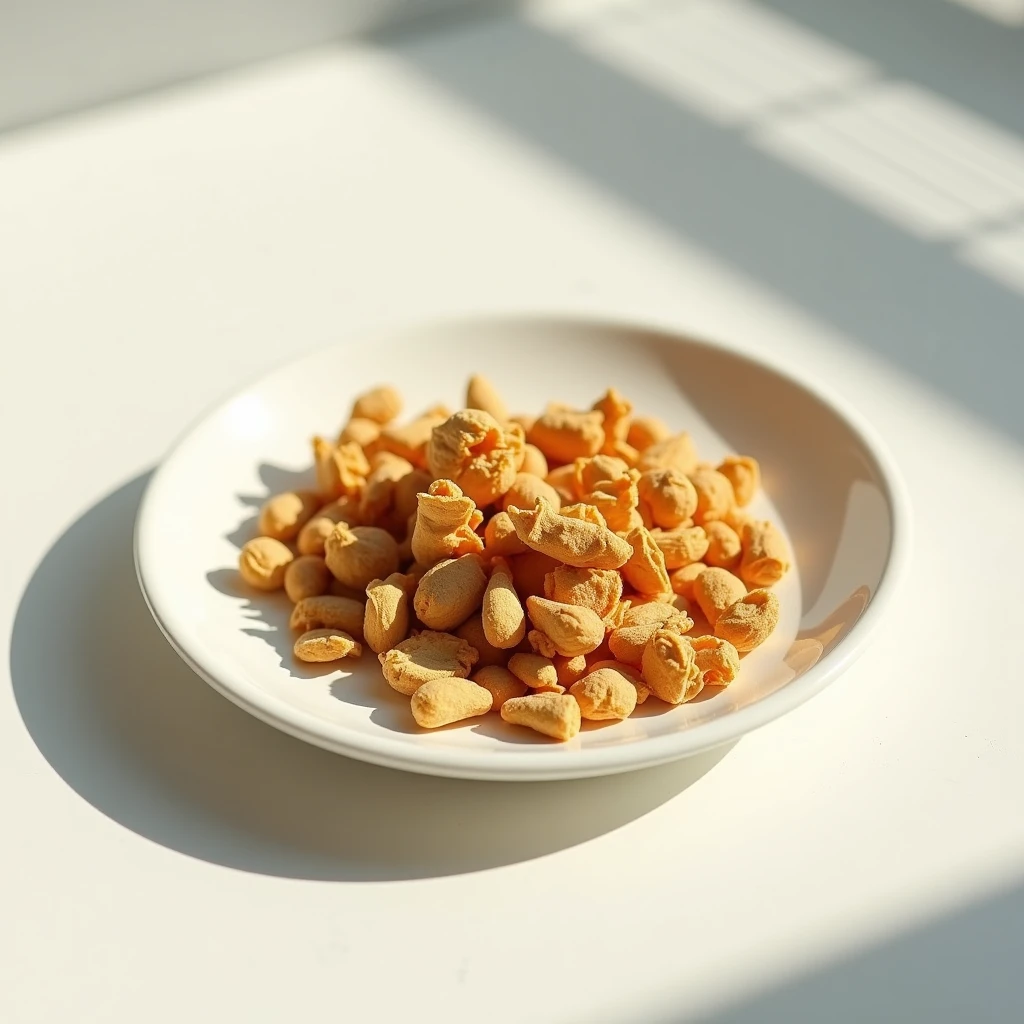
"Administration of R. rosea extract SHR-5 exerts an anti-fatigue effect that increases mental performance, particularly the ability to concentrate, and decreases cortisol response to awakening stress in burnout patients with fatigue syndrome."
Olsson et al., Planta Medica, 2009
Fatigue represents one of the most common complaints in clinical practice, affecting approximately 20-30% of the general population and up to 60% of workers in high-stress occupations. While pharmaceutical interventions exist for specific fatigue-related conditions, many individuals experiencing chronic stress-related exhaustion seek evidence-based botanical alternatives with favorable safety profiles.
Rhodiola rosea has emerged as one of the most extensively studied adaptogens for fatigue management, with clinical trials spanning physical exhaustion, mental fatigue, and burnout syndrome. This research brief synthesizes current evidence for rhodiola's anti-fatigue effects, examining mechanisms, clinical outcomes, and population-specific considerations to provide a foundation for informed supplementation decisions.
What is Rhodiola Rosea?
Rhodiola rosea is a perennial flowering plant native to cold regions of Europe, Asia, and North America, traditionally used in Scandinavian and Russian medicine for enhancing physical endurance and resilience to stress. The plant's therapeutic properties concentrate in its roots and rhizomes, which contain over 140 bioactive compounds including rosavins, salidroside, and various phenolic acids.
Modern rhodiola extracts are typically standardized to contain 3% rosavins and 1% salidroside, the two compound classes most extensively studied for adaptogenic activity. These phytochemicals are believed to modulate stress response systems including the hypothalamic-pituitary-adrenal axis and central monoamine neurotransmitter pathways, though complete mechanisms remain under investigation.
The term adaptogen, originally coined by Soviet scientist Nikolai Lazarev in 1947, describes substances that help organisms adapt to stressors while exerting minimal toxicity across a wide dosage range. Rhodiola rosea meets established criteria for adaptogenic classification through demonstrated capacity to enhance resistance to various physical, chemical, and biological stressors in both animal and human studies.
What is Rhodiola Rosea Used For?
Clinical research on rhodiola has investigated its effects across multiple fatigue-related conditions, with the strongest evidence emerging in specific populations and fatigue subtypes. The adaptogen's documented applications include:
- Stress-related fatigue and burnout syndrome — Particularly in occupational settings involving chronic psychological stress and cognitive demands
- Mental fatigue and cognitive performance — Including attention deficits, work capacity, and information processing speed during prolonged mental exertion
- Physical exhaustion and exercise fatigue — Both acute performance enhancement and recovery from strenuous physical activity
- Depression-associated fatigue — Symptoms of asthenia, anhedonia, and reduced mental energy in mild-to-moderate depression
- Shift work and sleep deprivation fatigue — Cognitive performance maintenance during irregular sleep schedules or acute sleep restriction
Most clinical trials have employed rhodiola extracts standardized to 3% rosavins at doses ranging from 100-600mg daily, typically administered once in the morning or divided between morning and early afternoon doses. Duration of supplementation in published studies ranges from single-dose acute protocols to 12-week continuous administration, with anti-fatigue effects often emerging within the first week of regular use.
Evidence and Mechanisms
The clinical evidence base for rhodiola's anti-fatigue effects comprises over 30 human trials, with systematic reviews and meta-analyses generally supporting efficacy in stress-related exhaustion while acknowledging methodological heterogeneity across studies. A 2012 systematic review by Hung et al. analyzing 11 randomized controlled trials concluded that rhodiola demonstrates anti-fatigue effects, though study quality varied considerably and publication bias could not be excluded.
One of the most cited trials, conducted by Olsson et al. in 2009, examined 60 individuals with stress-related fatigue and burnout syndrome. Participants received either rhodiola extract SHR-5 (576mg daily, standardized to 3% rosavins) or placebo for 28 days. The rhodiola group showed significant improvements on the Pines Burnout Scale, with particular benefits in emotional exhaustion, depersonalization, and personal accomplishment subscales. Fatigue symptoms decreased by 50% in the treatment group compared to 28% with placebo, and these improvements correlated with normalized morning cortisol levels.
In the rhodiola group, 83% of participants reported improved fatigue symptoms after 28 days, compared to 47% in placebo, with benefits emerging as early as the first week of treatment and continuing throughout the study period.
A double-blind trial by Shevtsov et al. (2003) investigated acute anti-fatigue effects in physicians during night duty. Participants receiving a single 170mg dose of rhodiola extract demonstrated significantly better performance on cognitive tests measuring associative thinking, short-term memory, calculation, and concentration compared to placebo. The magnitude of effect was particularly notable during the first two hours post-administration, suggesting both acute and sustained cognitive support during mental fatigue.
Physical fatigue research includes a 2004 study by De Bock et al. examining rhodiola's effects on endurance exercise capacity. While the primary outcome of time-trial performance showed no significant difference, the rhodiola group (200mg daily for 4 weeks) demonstrated reduced ratings of perceived exertion and lower lactate response to submaximal exercise, suggesting improved exercise efficiency even without changes in absolute performance metrics.
| Study Population | Dose | Duration | Primary Outcome | Effect Size |
|---|---|---|---|---|
| Burnout patients (Olsson 2009) | 576mg/day | 28 days | Pines Burnout Scale | -50% fatigue vs -28% placebo |
| Physicians on night duty (Shevtsov 2003) | 170mg single dose | Acute | Cognitive test battery | Significant improvement vs placebo |
| Students during exams (Spasov 2000) | 100mg/day | 20 days | Mental fatigue, exam performance | Improved vs placebo (p<0.01) |
| Mild-moderate depression (Darbinyan 2007) | 340-680mg/day | 42 days | Hamilton Depression Scale | Both doses superior to placebo |
Mechanistically, rhodiola's anti-fatigue effects appear to involve multiple pathways. Animal studies demonstrate that salidroside increases ATP synthesis in mitochondria and enhances cellular resistance to oxidative stress. Human research suggests modulation of the hypothalamic-pituitary-adrenal axis, with several trials showing normalized cortisol patterns in stressed populations. Additionally, rhodiola constituents inhibit monoamine oxidase enzymes and may increase availability of serotonin and dopamine in the central nervous system, potentially explaining improvements in both physical and mental fatigue symptoms.
A 2016 pharmacokinetic study by Ma et al. identified that salidroside reaches peak plasma concentration approximately 45 minutes after oral administration, with a half-life of 1.8 hours. Rosavins demonstrate similar absorption kinetics. This profile supports both acute single-dose protocols for immediate cognitive demands and chronic daily dosing for sustained adaptogenic effects, though steady-state tissue concentrations likely require several days of consistent supplementation.

Clinical Considerations
Fatigue Subtypes and Response Variability
Not all fatigue responds equally to rhodiola supplementation. The strongest evidence exists for stress-related mental fatigue and burnout syndrome, while evidence for fatigue secondary to medical conditions remains preliminary. Individuals with fatigue primarily driven by sleep disorders, anemia, thyroid dysfunction, or other identifiable medical conditions should address underlying pathology rather than relying solely on adaptogenic support.
- Stress-induced fatigue with normal baseline health shows the most consistent response
- Physical fatigue from overtraining may benefit, though evidence is mixed on pure performance enhancement
- Chronic fatigue syndrome and fibromyalgia have minimal published rhodiola research
- Depression-associated fatigue demonstrates promising but limited evidence requiring larger confirmatory trials
Timing and Dosing Strategies
Clinical trials have employed varied dosing protocols, making definitive recommendations challenging. However, several patterns emerge from successful studies. Most research utilizes morning administration to align with cortisol's natural circadian rhythm, with some protocols adding a second dose in early afternoon. Evening doses are generally avoided due to potential stimulatory effects that might interfere with sleep onset.
- Standard dose range: 200-600mg daily of extract standardized to 3% rosavins
- Lower doses (100-200mg) may suffice for mild fatigue or as part of multi-ingredient formulations
- Acute cognitive support: 170-200mg as single dose 30-60 minutes before mental demands
- Chronic stress-related fatigue: 400-600mg daily for minimum 2-4 weeks to assess response
- Cycling strategies lack clinical validation but some practitioners recommend 8-12 week courses with periodic breaks
Safety and Contraindications
Rhodiola demonstrates excellent safety in clinical trials, with adverse event rates typically indistinguishable from placebo. A systematic review by Ishaque et al. (2012) examining safety data across multiple trials found no serious adverse events and minimal reports of mild symptoms such as dizziness or dry mouth, occurring in fewer than 3% of participants.
- Generally recognized as safe at standard doses for healthy adults
- Pregnancy and lactation: insufficient safety data, avoidance recommended
- Bipolar disorder: theoretical risk of manic episode precipitation, use only under supervision
- Autoimmune conditions: limited human data on immune modulation effects
- Drug interactions: theoretical concerns with MAO inhibitors, SSRIs, and stimulants, though clinical reports rare
- Pre-surgical: discontinue 2 weeks before scheduled surgery due to unknown effects on bleeding and anesthesia
Special Populations
Certain populations may experience enhanced benefits or require modified approaches to rhodiola supplementation. Athletes and individuals in high-stress occupations represent the most-studied groups, while others require extrapolation from general population data.
- Shift workers and healthcare professionals: Strong evidence for cognitive performance maintenance during irregular schedules
- Older adults: Limited specific research, though age was not a negative predictor in mixed-age studies
- Individuals with anxiety: May provide dual benefits for anxiety and fatigue, though stimulatory effects require monitoring
- Stimulant users: May allow reduction in caffeine dependence, but combination effects unpredictable
How to Choose Rhodiola Rosea
- Standardization to 3% rosavins and 1% salidroside — This ratio matches the most extensively studied clinical extracts and ensures consistent bioactive content across batches
- Species verification — Confirm Rhodiola rosea specifically, as other Rhodiola species lack equivalent research support and may contain different phytochemical profiles
- Extraction methodology — Hydroalcoholic extracts using validated protocols are preferred over simple powdered root, which contains lower concentrations of active compounds
- Third-party testing for purity — Independent verification of heavy metals, microbial contamination, and absence of adulterants provides quality assurance beyond manufacturer claims
- Integration with complementary nutrients — Formulations combining rhodiola with compounds supporting related pathways (B-vitamins for energy metabolism, L-theanine for stress modulation, phospholipids for neuronal membrane integrity) may provide synergistic benefits, particularly when fatigue involves multiple contributing factors
- Manufacturing transparency — Companies providing detailed information about sourcing, extraction ratios, and quality control processes demonstrate commitment to product integrity
Conclusion
The clinical evidence for rhodiola rosea in stress-related fatigue demonstrates consistent benefits across multiple study populations, particularly for individuals experiencing mental exhaustion, burnout symptoms, and cognitive performance deficits during sustained mental demands. While heterogeneity in trial design and outcome measures limits definitive conclusions about optimal dosing and duration, the overall safety profile and magnitude of effect support rhodiola's position as a evidence-based option for fatigue management when underlying medical causes have been addressed.
The adaptogen's mechanisms appear to involve modulation of stress hormone systems, neurotransmitter availability, and cellular energy metabolism, providing a rational basis for observed clinical effects. For individuals seeking botanical support for stress-related fatigue, rhodiola rosea standardized to 3% rosavins at doses of 150-600mg daily represents a research-supported approach, particularly when combined with nutrients supporting mitochondrial function, neurotransmitter synthesis, and stress response optimization. As with any supplement intervention, realistic expectations, adequate trial duration, and attention to broader lifestyle factors affecting fatigue remain essential for optimal outcomes.
Focase 2.0 combines L-Tyrosine, Ashwagandha, Alpha-GPC, L-Theanine, Phosphatidylserine, Rhodiola, Omega-3s, methylated B-vitamins, Vitamin D3, Caffeine, and BioPerine at clinically informed doses.
View the product →This article is part of the Holistic Nutrition Research Library. Browse all research briefs and ingredient factsheets.
References
[1] Olsson EM, von Schéele B, Panossian AG. A randomised, double-blind, placebo-controlled, parallel-group study of the standardised extract shr-5 of the roots of Rhodiola rosea in the treatment of subjects with stress-related fatigue. Planta Med. 2009;75(2):105-112.
[2] Hung SK, Perry R, Ernst E. The effectiveness and efficacy of Rhodiola rosea L.: a systematic review of randomized clinical trials. Phytomedicine. 2011;18(4):235-244.
[3] Shevtsov VA, Zholus BI, Shervarly VI, et al. A randomized trial of two different doses of a SHR-5 Rhodiola rosea extract versus placebo and control of capacity for mental work. Phytomedicine. 2003;10(2-3):95-105.
[4] De Bock K, Eijnde BO, Ramaekers M, Hespel P. Acute Rhodiola rosea intake can improve endurance exercise performance. Int J Sport Nutr Exerc Metab. 2004;14(3):298-307.
[5] Darbinyan V, Aslanyan G, Amroyan E, Gabrielyan E, Malmström C, Panossian A. Clinical trial of Rhodiola rosea L. extract SHR-5 in the treatment of mild to moderate depression. Nord J Psychiatry. 2007;61(5):343-348.
[6] Spasov AA, Wikman GK, Mandrikov VB, Mironova IA, Neumoin VV. A double-blind, placebo-controlled pilot study of the stimulating and adaptogenic effect of Rhodiola rosea SHR-5 extract on the fatigue of students caused by stress during an examination period with a repeated low-dose regimen. Phytomedicine. 2000;7(2):85-89.
[7] Ishaque S, Shamseer L, Bukutu C, Vohra S. Rhodiola rosea for physical and mental fatigue: a systematic review. BMC Complement Altern Med. 2012;12:70.
[8] Ma G, Zheng Q, Xu M, et al. Rhodiola rosea L. Improves Learning and Memory Function: Preclinical Evidence and Possible Mechanisms. Front Pharmacol. 2018;9:1415.
[9] Panossian A, Wikman G. Evidence-based efficacy of adaptogens in fatigue, and molecular mechanisms related to their stress-protective activity. Curr Clin Pharmacol. 2009;4(3):198-219.
[10] Edwards D, Heufelder A, Zimmermann A. Therapeutic effects and safety of Rhodiola rosea extract WS 1375 in subjects with life-stress symptoms--results of an open-label study. Phytother Res. 2012;26(8):1220-1225.
Leave a comment