

Elderberry Immune Support Evidence: Clinical Trials and Mechanisms of Action
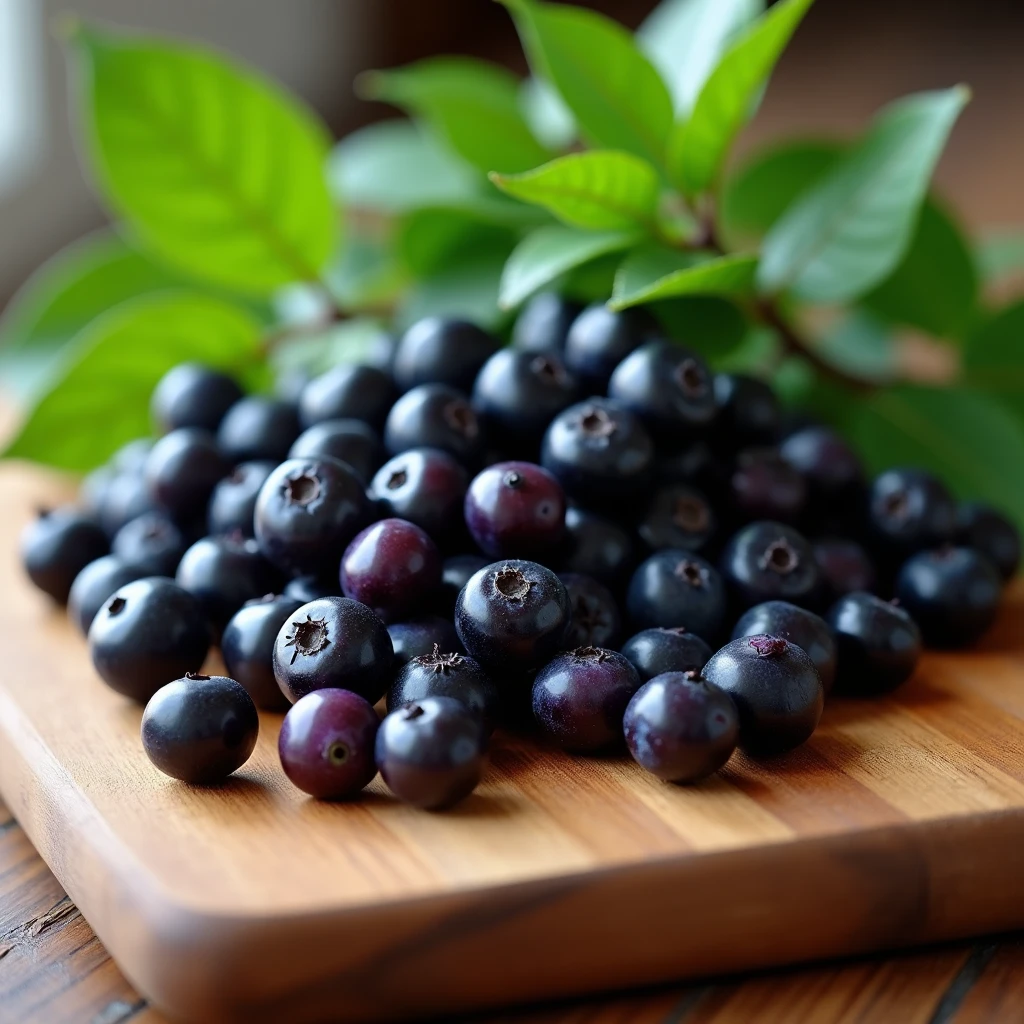
"Elderberry supplementation substantially reduced upper respiratory symptoms, with a mean reduction of 4 days in illness duration compared to placebo."
Hawkins et al., Complementary Therapies in Medicine, 2019
Elderberry (Sambucus nigra) has moved from traditional folk remedy to the subject of controlled clinical investigation. The black elderberry extract, standardized for anthocyanin content, demonstrates measurable interference with viral replication in laboratory settings and reductions in respiratory illness duration in human trials. Unlike many botanical interventions that lack robust mechanistic data, elderberry's effects on hemagglutinin glycoproteins and cytokine modulation have been characterized in peer-reviewed literature.
The evidence base spans influenza-specific trials, upper respiratory infection studies in travelers, and meta-analyses aggregating outcomes across populations. While methodological heterogeneity limits definitive conclusions, the preponderance of data suggests elderberry extracts confer modest but consistent benefit in reducing symptom severity and duration when initiated early in respiratory illness. This brief examines the clinical trial evidence, proposed mechanisms, population-specific considerations, and product selection criteria for elderberry supplementation.
What is Elderberry?
Sambucus nigra, the European black elderberry, produces dark purple berries rich in anthocyanins—water-soluble flavonoid pigments concentrated in the fruit's skin. Raw elderberries contain cyanogenic glycosides that require heat inactivation; commercial extracts undergo processing to eliminate these compounds while preserving anthocyanin content. Standardized extracts typically contain 3.2% anthocyanins, though some proprietary formulations reach concentrations up to 14%.
The berries also contain quercetin, rutin, and chlorogenic acid—polyphenols with documented anti-inflammatory and antioxidant activity in vitro. However, anthocyanins appear to drive the observed antiviral effects. Cyanidin-3-glucoside and cyanidin-3-sambubioside, the predominant anthocyanins in elderberry, demonstrate dose-dependent inhibition of viral neuraminidase and hemagglutinin in cell culture models [1].
Commercial preparations include syrups (often with added sugars), capsules with freeze-dried extract, lozenges, and gummies. Bioavailability data remain limited, though anthocyanins undergo extensive first-pass metabolism. Peak plasma concentrations occur 1-2 hours post-ingestion, with metabolites detectable for 4-6 hours. The clinical significance of this pharmacokinetic profile for immune outcomes is unclear.
What is Elderberry Used For?
Elderberry supplementation is primarily studied and marketed for three indications: reducing the duration and severity of influenza-like illness, supporting immune function during periods of increased respiratory infection risk (such as air travel), and potentially mitigating upper respiratory symptoms in athletes undergoing intense training. The evidence quality varies across these applications.
- Influenza and influenza-like illness: Multiple randomized controlled trials report 2-4 day reductions in symptom duration when elderberry is initiated within 24-48 hours of symptom onset [2][3]
- Upper respiratory infections in travelers: A placebo-controlled trial in air travelers found reduced cold duration (mean 4.75 vs 6.88 days) and lower symptom scores in the elderberry group [4]
- Post-exercise immune support: Preliminary evidence suggests elderberry may attenuate the transient immune suppression following prolonged endurance exercise, though data are limited to small pilot studies
- Prophylactic use: Some trials administered elderberry throughout cold and flu season; results are inconsistent, with some showing reduced incidence and others showing no difference in infection rates
Evidence and Mechanisms
A 2019 meta-analysis of four randomized trials (n=180 total participants) found elderberry supplementation significantly reduced upper respiratory symptom duration and severity compared to placebo. The pooled effect size showed substantial symptom improvement, though the authors noted considerable heterogeneity in dosing protocols and outcome measures across studies [2]. A separate systematic review identified elderberry as one of few botanical interventions with multiple positive RCTs for respiratory infection, though it also emphasized the need for larger, methodologically rigorous trials [5].
The most cited trial, conducted by Zakay-Rones et al., enrolled 60 influenza patients who received either elderberry extract (15 mL four times daily) or placebo within 48 hours of symptom onset. Complete symptom resolution occurred at a mean of 3.1 days in the elderberry group versus 7.1 days in controls—a 4-day reduction [3]. Importantly, participants were confirmed influenza-positive via culture or serology, strengthening the specificity of the findings. A subsequent trial by the same research group replicated these results with influenza A and B strains.
In vitro studies demonstrate elderberry anthocyanins bind to H1N1 influenza virus hemagglutinin, physically blocking viral attachment to host cell sialic acid receptors. At concentrations achievable with standard supplementation, this interference reduces viral infectivity by 90% in cell culture models [1].
Beyond direct antiviral effects, elderberry extract modulates inflammatory cytokine production. Ex vivo studies using human monocytes show elderberry polyphenols increase IL-6, IL-8, and TNF-α production in response to lipopolysaccharide challenge—suggesting enhanced innate immune activation rather than immune suppression. However, this pro-inflammatory effect appears context-dependent; some data indicate elderberry reduces cytokine overproduction in already-infected cells, potentially mitigating symptom severity without compromising pathogen clearance [6].
The hemagglutinin inhibition mechanism shares conceptual overlap with neuraminidase inhibitors like oseltamivir (Tamiflu), though the magnitude of effect is substantially smaller. Elderberry does not replace antiviral pharmaceuticals in high-risk populations but may offer supportive benefit with minimal adverse effect risk. No trials have directly compared elderberry to prescription antivirals.
| Study | Population | Dose | Primary Outcome | Result |
|---|---|---|---|---|
| Zakay-Rones 2004 [3] | 60 influenza patients | 15 mL syrup 4x/day | Symptom resolution time | 3.1 days vs 7.1 days (placebo) |
| Tiralongo 2016 [4] | 312 air travelers | 600-900 mg/day | Cold duration | 4.75 days vs 6.88 days (placebo) |
| Hawkins 2019 [2] | 180 (meta-analysis) | Varied | Symptom severity | Significant reduction (SMD -0.87) |

Clinical Considerations
Timing and Dosing Protocol
The majority of positive trials initiated elderberry within 24-48 hours of symptom onset and continued for 5-7 days. Prophylactic daily dosing shows mixed results; the traveler trial used 600-900 mg daily starting 10 days before travel and continuing 4-5 days post-arrival [4]. For acute illness, typical protocols use 15 mL syrup (or 300-600 mg extract) four times daily. Standardization to anthocyanin content—not total berry weight—is critical for dose comparability.
- Acute treatment protocols demonstrate stronger evidence than prophylactic use
- Earlier initiation correlates with greater symptom reduction in dose-response analyses
- Duration of supplementation in positive trials ranges from 5-10 days
Pediatric Populations
Two trials have evaluated elderberry in children aged 5-12 with influenza-like illness. Both reported shorter illness duration in the elderberry groups (2-3 day reduction) with no serious adverse events. However, syrup formulations often contain added sugars at levels that may be problematic for glycemic control or dental health with frequent dosing. Parents should verify sugar content per serving; some products contain 7-10 grams per tablespoon.
Immune-Compromised and Autoimmune Populations
No trials have specifically enrolled immunocompromised individuals. The pro-inflammatory cytokine effects observed in vitro raise theoretical concerns about elderberry use in autoimmune conditions, though no case reports document disease flares attributable to supplementation. The complement-fixing activity of elderberry polysaccharides—demonstrated in older in vitro studies—adds to these theoretical concerns. Individuals with systemic lupus erythematosus, rheumatoid arthritis, or other autoimmune diagnoses should consult providers before use, particularly at high doses.
Interaction with Immune-Modulating Nutrients
Elderberry is frequently combined with vitamin C, zinc, or vitamin D in commercial immune formulations. No trials have tested these combinations against elderberry alone, so synergistic claims lack direct support. However, vitamin D's well-established role in respiratory infection prevention and zinc's antiviral mechanisms suggest rational combination. A multi-nutrient approach addresses multiple immune pathways without mechanistic redundancy.
Duration of Use and Tolerance
Elderberry supplementation appears well-tolerated for periods up to 12 weeks based on available safety data. The most common adverse events are mild gastrointestinal symptoms—nausea or loose stools—reported in fewer than 5% of participants across trials. No hepatotoxicity, nephrotoxicity, or hematologic abnormalities have been documented in clinical studies. Long-term safety data beyond 3 months are absent.
How to Choose Elderberry Supplements
- Anthocyanin standardization: Select products standardized to at least 3.2% anthocyanins, ideally with third-party verification. Total elderberry weight without standardization provides no assurance of active compound content.
- Extract ratio and preparation method: Clinically studied products use concentrated extracts (often 64:1 or higher). Whole dried berry powders deliver lower anthocyanin doses per serving and lack clinical trial support.
- Sugar content in syrups: If choosing liquid formulations, verify added sugar does not exceed 5 grams per serving. Some products use honey or glycerin as preservatives without excessive sweetener load.
- Capsule delivery for consistent dosing: Capsules with freeze-dried extract allow precise dosing without palatability concerns or sugar intake. Look for products providing 300-600 mg extract per capsule.
- Combination formulations: If selecting a multi-ingredient immune product, ensure elderberry is present at evidence-based doses (not trace amounts) and that co-formulated nutrients—such as vitamin D3, K2, or zinc—are also dosed according to clinical data rather than symbolic inclusion.
Conclusion
Elderberry extract demonstrates consistent, modest efficacy in reducing the duration and severity of upper respiratory infections when initiated early in symptom onset. The mechanistic rationale—hemagglutinin interference and balanced cytokine modulation—is supported by in vitro data, though human pharmacokinetic and pharmacodynamic studies remain limited. Meta-analytic evidence favors elderberry over placebo for symptom reduction, though effect sizes are moderate and trial quality varies.
The safety profile is favorable for short-term use, with minimal adverse events reported across trials. Elderberry does not replace evidence-based preventive measures such as vitamin D optimization, particularly in populations with demonstrated insufficiency. Rather, it may serve as an acute intervention during symptomatic illness or high-exposure periods. Product selection should prioritize anthocyanin standardization and dosing protocols aligned with clinical trial literature. Formulations combining elderberry with foundational immune nutrients like vitamin D3 and K2 offer a rational multi-pathway approach, provided each component is dosed to therapeutic thresholds rather than marketing minimums.
Related research briefs
Vitamin D and Respiratory Infection: What Meta-Analyses Reveal About Immune Defense
Vitamin D Cofactors Zinc and Boron: Clinical Evidence for Synergistic Nutrient Support
Holistic Nutrition's Vitamin D3 + K2 pairs D3 with MK-7, calcium, and BioPerine — addressing the full absorption mechanism reviewed here.
Learn More →This article is part of the Holistic Nutrition Research Library. Browse all research briefs and ingredient factsheets.
References
[1] Roschek B Jr, Fink RC, McMichael MD, et al. Elderberry flavonoids bind to and prevent H1N1 infection in vitro. Phytochemistry. 2009;70(10):1255-1261.
[2] Hawkins J, Baker C, Cherry L, Dunne E. Black elderberry (Sambucus nigra) supplementation effectively treats upper respiratory symptoms: A meta-analysis of randomized, controlled clinical trials. Complement Ther Med. 2019;42:361-365.
[3] Zakay-Rones Z, Thom E, Wollan T, Wadstein J. Randomized study of the efficacy and safety of oral elderberry extract in the treatment of influenza A and B virus infections. J Int Med Res. 2004;32(2):132-140.
[4] Tiralongo E, Wee SS, Lea RA. Elderberry supplementation reduces cold duration and symptoms in air-travellers: A randomized, double-blind placebo-controlled clinical trial. Nutrients. 2016;8(4):182.
[5] Vlachojannis C, Zimmermann BF, Chrubasik-Hausmann S. Efficacy and safety of elderberry (Sambucus nigra) supplements: A systematic review of randomized controlled trials. Eur J Integr Med. 2015;7(6):618-622.
[6] Kinoshita E, Hayashi K, Katayama H, et al. Anti-influenza virus effects of elderberry juice and its fractions. Biosci Biotechnol Biochem. 2012;76(9):1633-1638.
Leave a comment