

Creatine Monohydrate for Vegetarians: Evidence, Deficiency Risk, and Supplementation Protocols
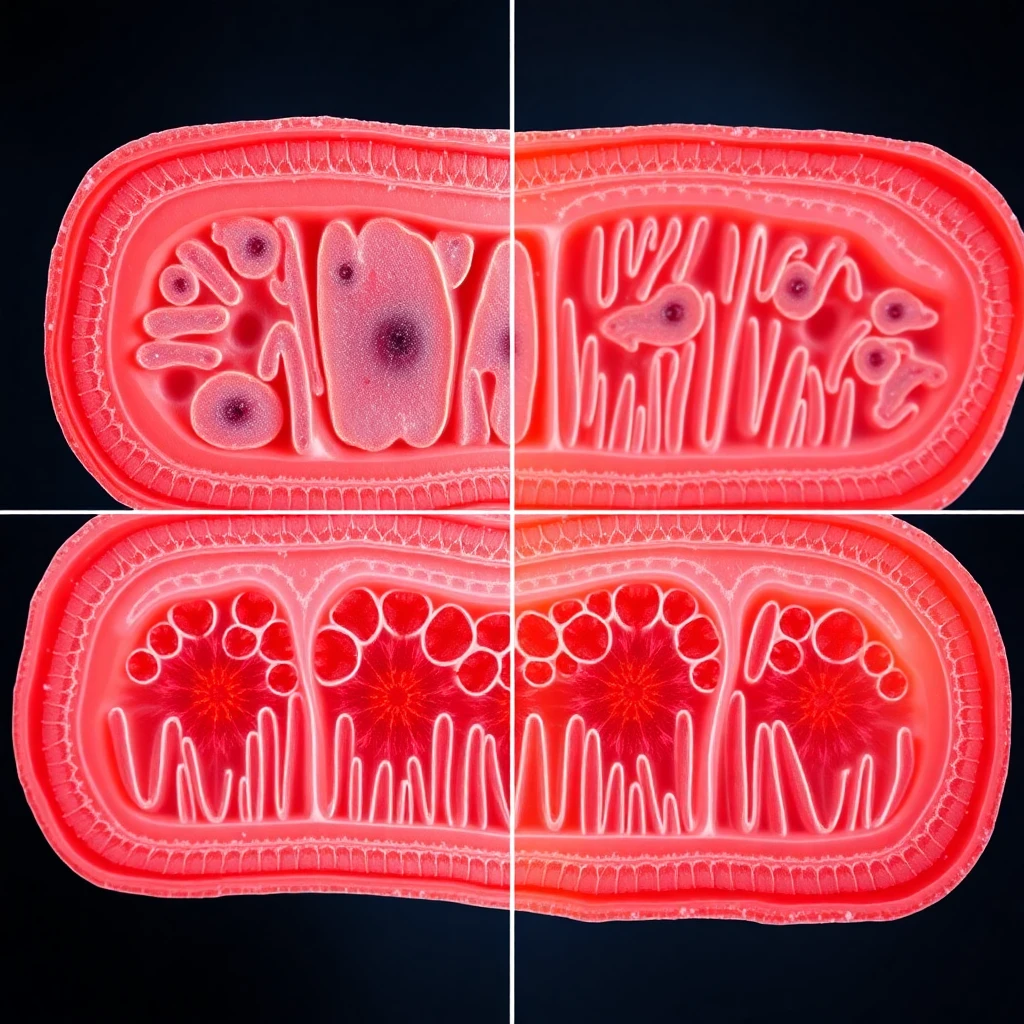
"Vegetarians have significantly lower muscle creatine concentrations than omnivores, and creatine supplementation produces greater improvements in lean tissue mass and work performance in vegetarians compared to non-vegetarians."
Burke et al., Journal of the International Society of Sports Nutrition, 2003
Creatine is synthesized endogenously from amino acids and obtained through dietary meat consumption. For individuals following plant-based diets, the absence of dietary creatine creates a physiological deficit that affects multiple biological systems. Research consistently demonstrates that vegetarians and vegans maintain muscle creatine concentrations approximately 20-30% lower than omnivores, with corresponding reductions in phosphocreatine stores available for energy metabolism.
This nutritional gap has measurable consequences for physical performance, cognitive function, and cellular energy availability. Evidence suggests that vegetarian populations experience greater relative benefits from creatine monohydrate supplementation compared to omnivorous populations, with larger effect sizes observed across multiple performance metrics. Understanding the mechanisms behind this deficiency and the documented benefits of supplementation allows plant-based individuals to make informed decisions about optimizing their creatine status.
What is Creatine Monohydrate?
Creatine monohydrate is a naturally occurring compound synthesized in the liver, kidneys, and pancreas from three amino acids: glycine, arginine, and methionine. In its supplemental form, creatine monohydrate consists of a creatine molecule bound to a water molecule, creating the most extensively studied and bioavailable form of creatine available. Once absorbed, creatine is transported to tissues with high energy demands, particularly skeletal muscle and brain tissue, where it participates in rapid ATP regeneration through the phosphocreatine system.
The compound functions as an immediate energy buffer during high-intensity activity. When muscles contract, ATP (adenosine triphosphate) is broken down to ADP (adenosine diphosphate), releasing energy. Phosphocreatine donates a phosphate group to ADP, rapidly regenerating ATP without requiring oxygen or the slower glycolytic pathway. This system is critical for activities lasting 1-10 seconds, including resistance training, sprinting, and any explosive movement pattern.
Dietary creatine comes almost exclusively from animal flesh, particularly red meat and fish. A 500-gram serving of raw beef provides approximately 2-2.5 grams of creatine. During cooking, significant degradation occurs, with conversion of creatine to creatinine, an inactive metabolite. Endogenous synthesis produces approximately 1 gram per day in individuals with adequate amino acid availability, but this production is insufficient to saturate muscle stores in the absence of dietary intake, creating the deficiency pattern observed in vegetarian populations.
What is Creatine Monohydrate Used For?
Creatine monohydrate supplementation addresses documented deficiencies in plant-based populations while supporting multiple physiological functions beyond athletic performance. The primary applications are grounded in decades of research establishing both efficacy and safety.
- Muscle creatine saturation: Supplementation increases intramuscular creatine stores by 20-40% in individuals with low baseline levels, with vegetarians showing greater absolute increases compared to omnivores due to lower starting concentrations
- Strength and power output: Meta-analyses demonstrate 5-15% improvements in maximal strength, power output, and work capacity during resistance training, with effect sizes consistently larger in vegetarian populations
- Lean mass accretion: Creatine supplementation combined with resistance training produces significantly greater gains in lean tissue mass, partly through enhanced training capacity and partly through increased intracellular water retention and protein synthesis signaling
- Cognitive function: Emerging evidence suggests creatine supplementation improves working memory, processing speed, and cognitive performance under stress, particularly in individuals with low dietary creatine intake
- Recovery between high-intensity efforts: Enhanced phosphocreatine resynthesis rates allow for greater work capacity during repeated bouts of maximal effort, relevant for interval training and resistance exercise protocols
- Neuroprotection: Preliminary research indicates potential benefits for neurological health, with creatine supporting mitochondrial function and cellular energy availability in neural tissue
Evidence and Mechanisms: The Vegetarian Creatine Gap
The physiological rationale for creatine supplementation in vegetarians is established through direct measurement of tissue creatine concentrations. Research using magnetic resonance spectroscopy and muscle biopsy analysis consistently shows that vegetarians maintain muscle creatine levels 20-30% below those of omnivores. A landmark study by Lukaszuk et al. found that vegetarian women had muscle creatine concentrations of 118 mmol/kg dry muscle compared to 135 mmol/kg in omnivores, representing a statistically significant deficit with functional consequences.
This baseline difference translates directly to performance outcomes. Burke and colleagues demonstrated that vegetarian subjects experienced significantly greater improvements in lean tissue mass and work performed during bench press exercise following creatine supplementation compared to omnivorous controls. The vegetarian group increased lean tissue mass by 2.4 kg versus 1.0 kg in omnivores, and work performance increased by 58% versus 36%, respectively. These differences reflect the greater room for improvement when starting from depleted baseline stores.
Vegetarian subjects supplementing with creatine showed a 58% increase in work capacity during upper body resistance exercise, compared to 36% in omnivores, with the difference attributed to lower baseline muscle creatine saturation.
The mechanism behind these observations involves the relationship between muscle creatine concentration and the phosphocreatine energy system. Total creatine content in human skeletal muscle ranges from approximately 90-160 mmol/kg dry weight, with trained omnivores typically maintaining levels near 120-130 mmol/kg. Vegetarians cluster near the lower end of this range. Supplementation increases concentrations toward the physiological maximum of approximately 160 mmol/kg, but individuals starting from lower baselines experience a greater relative increase in available phosphocreatine for energy metabolism.
Beyond performance metrics, creatine plays roles in cellular energy homeostasis that extend to cognitive function. Rae and associates examined the effects of creatine supplementation on cognitive performance in vegetarians, finding significant improvements in working memory and intelligence test scores following five weeks of supplementation at 5 grams daily. No such improvements were observed in omnivorous controls, suggesting that baseline dietary creatine status influences cognitive reserve during demanding mental tasks.
The synthesis pathway for endogenous creatine production requires adequate availability of the precursor amino acids glycine, arginine, and methionine. While plant-based diets can provide these amino acids, the absence of dietary creatine means that all creatine must be synthesized de novo. This endogenous production averages approximately 1 gram daily but appears insufficient to achieve muscle saturation levels comparable to those observed in omnivores consuming 1-2 grams of preformed creatine through dietary sources.
A critical consideration involves the bioavailability and stability of creatine monohydrate. Unlike some nutrient compounds that may have reduced absorption in vegetarian populations due to differences in gut microbiome composition or digestive enzyme profiles, creatine monohydrate demonstrates consistent absorption characteristics regardless of dietary background. Absorption rates typically exceed 95%, with no evidence that vegetarian status impairs creatine uptake or utilization once supplementation occurs.

Clinical Considerations
Loading and Maintenance Protocols
Two primary supplementation strategies have been validated through research: rapid loading followed by maintenance, or steady-state loading without an initial loading phase. The choice between protocols depends on individual timeline preferences and tolerance for higher initial doses.
- Rapid loading protocol: 20 grams daily (divided into 4 doses of 5 grams) for 5-7 days, followed by 3-5 grams daily maintenance. This approach saturates muscle stores within one week and may produce greater initial benefits in severely depleted individuals
- Steady-state protocol: 3-5 grams daily without loading phase. Muscle saturation occurs over 3-4 weeks, producing equivalent long-term outcomes with potentially better gastrointestinal tolerance
- Vegetarian-specific considerations: Due to lower baseline stores, vegetarians may experience more pronounced initial responses during loading phases, but long-term outcomes are equivalent between protocols
Timing and Co-ingestion
Creatine uptake into muscle tissue is mediated by sodium-dependent creatine transporters. While creatine monohydrate demonstrates high bioavailability regardless of timing, several factors may optimize absorption and tissue delivery in vegetarian populations.
- Insulin-mediated uptake: Co-ingestion with carbohydrates (50-100g) or a carbohydrate-protein combination may enhance muscle creatine accumulation through insulin-stimulated transporter activity, though evidence for practical significance is mixed
- Post-exercise timing: Some evidence suggests modestly enhanced uptake when creatine is consumed immediately post-resistance exercise, possibly due to increased muscle blood flow and insulin sensitivity
- Daily consistency: Maintenance of elevated muscle creatine stores requires consistent daily intake; timing within the day appears less critical than total daily dose and adherence
Female Vegetarian Athletes
Women have been underrepresented in creatine research, but available evidence suggests similar mechanisms and benefits apply to female vegetarians, with some distinct considerations.
- Muscle creatine levels: Women typically maintain slightly lower absolute muscle creatine concentrations than men, even after accounting for body composition differences, making dietary deficiency potentially more consequential
- Response to supplementation: Female vegetarians demonstrate robust responses to creatine loading, with some research indicating proportionally greater increases in lean tissue mass compared to omnivorous female controls
- Menstrual cycle considerations: No evidence suggests that creatine supplementation affects hormonal function or menstrual regularity; the supplement appears safe across all phases of the menstrual cycle
Aging Vegetarian Populations
Age-related muscle loss (sarcopenia) affects vegetarian and omnivorous populations similarly, but the combination of low dietary creatine and age-related reductions in muscle protein synthesis creates compounding concerns for older plant-based individuals.
- Muscle preservation: Creatine supplementation combined with resistance training produces greater muscle mass preservation and strength gains in older adults compared to training alone, with effect sizes potentially larger in vegetarians due to baseline deficiency
- Cognitive aging: Preliminary evidence suggests creatine may support cognitive function during aging, particularly in populations with low dietary intake; longer-term studies are needed to establish neuroprotective effects
- Safety in older adults: Creatine monohydrate demonstrates excellent safety profiles in older populations, with no evidence of adverse effects on kidney function in individuals with normal baseline renal health
Considerations for Vegan Diets
Vegans represent the population with lowest dietary creatine intake and may experience the most pronounced deficiency patterns. All commercially available creatine monohydrate is synthetically produced and suitable for vegan consumption.
- Synthesis pathway: Vegan diets must provide adequate precursor amino acids (glycine, arginine, methionine) for endogenous creatine synthesis; supplementation bypasses this requirement entirely
- Greater relative benefit: Some evidence suggests vegans experience even larger performance improvements from supplementation compared to lacto-ovo vegetarians, reflecting the most severe baseline depletion
- Purity considerations: Synthetic creatine monohydrate production ensures freedom from animal-derived contaminants; third-party testing confirms vegan status of quality products
How to Choose Creatine Monohydrate for Vegetarian Use
- Verify pure creatine monohydrate: Research supports creatine monohydrate specifically; proprietary blends, alternative forms (ethyl ester, hydrochloride), and combination products lack equivalent evidence and may contain unnecessary additives that vegetarians wish to avoid
- Confirm third-party testing: Independent verification for purity, heavy metal contamination, and absence of animal-derived ingredients ensures product quality and vegan compatibility; look for NSF Certified for Sport or Informed-Choice certification
- Select micronized formulations: Micronization reduces particle size, improving mixability and potentially reducing gastrointestinal discomfort during loading phases; this matters more for individuals starting from severely depleted states who may use higher initial doses
- Avoid proprietary blends: Products listing creatine as part of an undisclosed blend prevent accurate dosing; vegetarians optimizing their creatine status need precise control over daily intake to achieve and maintain saturation
- Prioritize unflavored options: Unflavored creatine monohydrate allows flexible mixing with preferred beverages and avoids artificial sweeteners or additives that may conflict with dietary preferences common in plant-based populations
Conclusion
The evidence base for creatine monohydrate supplementation in vegetarian populations is robust and consistent. Individuals following plant-based diets maintain muscle creatine stores approximately 20-30% below omnivorous populations due to the absence of dietary creatine from animal flesh. This deficiency has measurable consequences for physical performance, cognitive function, and cellular energy availability. Supplementation with 3-5 grams daily of creatine monohydrate corrects this deficit, with research demonstrating greater relative improvements in strength, power output, lean mass, and work capacity in vegetarians compared to omnivores.
The mechanism is straightforward: vegetarians start from lower baseline creatine concentrations and therefore experience larger absolute and relative increases toward the physiological maximum of muscle creatine saturation. Creatine monohydrate remains the only form with extensive research validation, and all commercial creatine monohydrate is synthetically produced, making it suitable for vegan consumption. Selection criteria should prioritize purity, third-party testing, micronization for improved tolerability, and transparent labeling that allows precise daily dosing to achieve and maintain creatine saturation over time.
Holistic Nutrition's Micronized Creatine Monohydrate is formulated to the standard outlined in this brief — single-ingredient, micronized, third-party tested.
View the product →This article is part of the Holistic Nutrition Research Library. Browse all research briefs and ingredient factsheets.
References
[1] Burke DG, Chilibeck PD, Parise G, et al. Effect of creatine and weight training on muscle creatine and performance in vegetarians. Med Sci Sports Exerc. 2003;35(11):1946-1955.
[2] Lukaszuk JM, Robertson RJ, Arch JE, et al. Effect of creatine supplementation and a lacto-ovo-vegetarian diet on muscle creatine concentration. Int J Sport Nutr Exerc Metab. 2002;12(3):336-348.
[3] Rae C, Digney AL, McEwan SR, Bates TC. Oral creatine monohydrate supplementation improves brain performance: a double-blind, placebo-controlled, cross-over trial. Proc Biol Sci. 2003;270(1529):2147-2150.
[4] Kreider RB, Kalman DS, Antonio J, et al. International Society of Sports Nutrition position stand: safety and efficacy of creatine supplementation in exercise, sport, and medicine. J Int Soc Sports Nutr. 2017;14:18.
[5] Brosnan JT, Brosnan ME. Creatine: endogenous metabolite, dietary, and therapeutic supplement. Annu Rev Nutr. 2007;27:241-261.
[6] Kaviani M, Shaw K, Chilibeck PD. Benefits of Creatine Supplementation for Vegetarians Compared to Omnivorous Athletes: A Systematic Review. Int J Environ Res Public Health. 2020;17(9):3041.
[7] Antonio J, Candow DG, Forbes SC, et al. Common questions and misconceptions about creatine supplementation: what does the scientific evidence really show? J Int Soc Sports Nutr. 2021;18(1):13.
[8] Candow DG, Forbes SC, Chilibeck PD, et al. Effectiveness of Creatine Supplementation on Aging Muscle and Bone: Focus on Falls Prevention and Inflammation. J Clin Med. 2019;8(4):488.
[9] Wax B, Kerksick CM, Jagim AR, et al. Creatine for Exercise and Sports Performance, with Recovery Considerations for Healthy Populations. Nutrients. 2021;13(6):1915.
[10] Deldicque L, Décombaz J, Zbinden Foncea H, et al. Kinetics of creatine ingested as a food ingredient. Eur J Appl Physiol. 2008;102(2):133-143.
Leave a comment