

Creatine and Kidney Health: A Comprehensive Review of Current Research
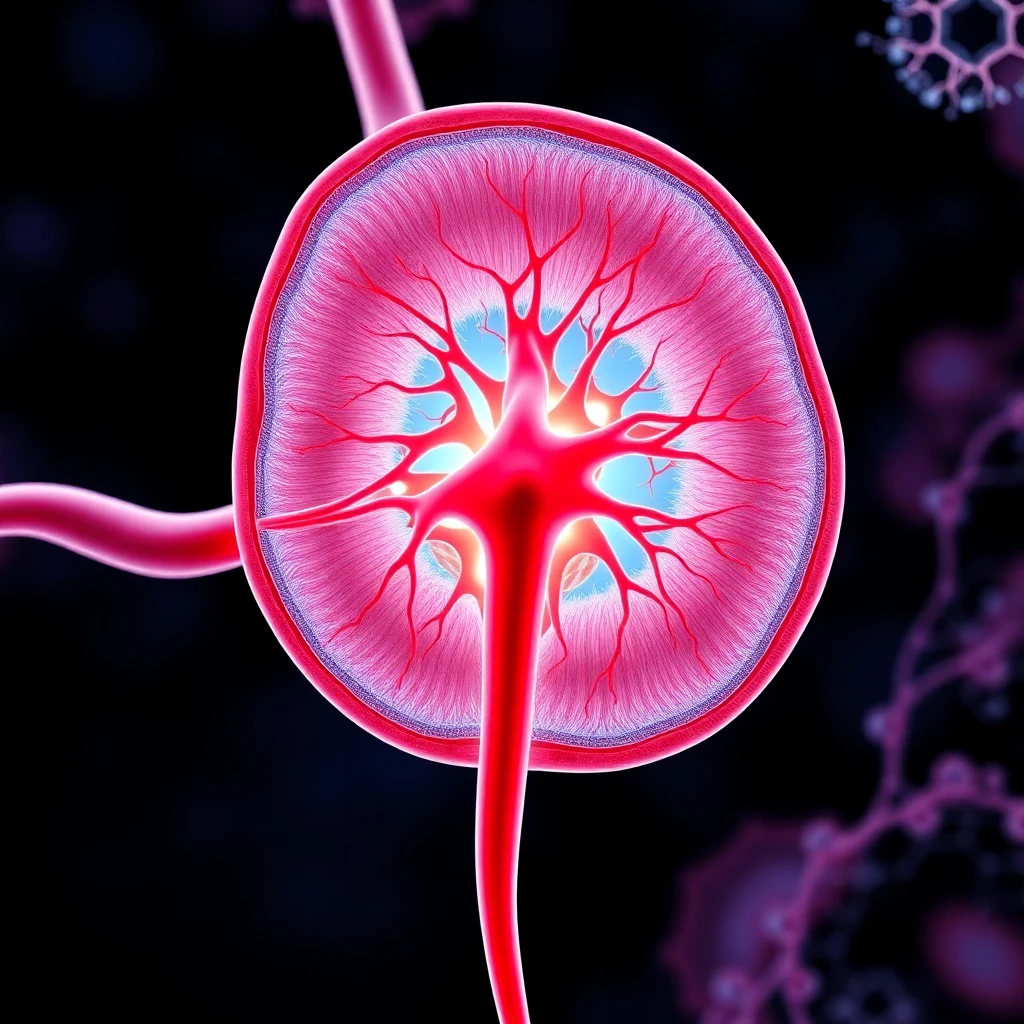
"Long-term creatine supplementation does not adversely affect markers of health in athletes following standard dosing protocols."
Antonio et al., Journal of the International Society of Sports Nutrition, 2021
Creatine monohydrate remains one of the most extensively researched ergogenic supplements in sports nutrition, with demonstrated efficacy for strength, power output, and muscle mass development. Despite decades of favorable safety data, concerns about potential renal toxicity continue to circulate in clinical and consumer contexts. These concerns stem primarily from misinterpretation of serum creatinine elevations and extrapolation from case reports in individuals with pre-existing kidney disease.
This research brief examines the current body of evidence regarding creatine supplementation and kidney function across healthy populations, athletic cohorts, and clinical contexts. We analyze biomarker interpretation, long-term safety studies, and specific populations where caution may be warranted. Understanding the distinction between creatinine as a metabolic byproduct and creatinine as a marker of renal pathology is essential for evidence-based supplementation decisions.
What is Creatine?
Creatine is a nitrogenous organic acid synthesized endogenously in the liver, kidneys, and pancreas from the amino acids glycine, arginine, and methionine. Approximately 95% of the body's creatine stores reside in skeletal muscle tissue as free creatine and phosphocreatine, where it serves as a rapidly mobilizable energy reserve through the phosphagen system. The remaining 5% is distributed across the brain, heart, and other tissues with high energy demands.
Dietary sources include red meat and fish, though cooking reduces bioavailable content. Endogenous synthesis produces approximately 1-2 grams daily in adults, while dietary intake contributes variable amounts depending on food choices. Vegetarians and vegans typically exhibit lower baseline muscle creatine stores due to absence of dietary sources, making them particularly responsive to supplementation.
Creatine undergoes spontaneous, non-enzymatic conversion to creatinine at a rate of approximately 1.6-1.7% per day. This conversion is irreversible and occurs continuously regardless of supplementation status. Creatinine is then filtered by the glomeruli and excreted in urine with minimal tubular reabsorption, making it a standard biomarker for estimating glomerular filtration rate in clinical settings. This metabolic pathway is central to understanding why creatine supplementation elevates serum creatinine without indicating renal pathology.
What is Creatine Used For?
Creatine monohydrate supplementation has been studied across diverse applications in sports performance, clinical medicine, and neurological health. The primary documented uses include:
- Strength and Power Enhancement: Meta-analyses demonstrate 5-15% improvements in maximal strength and power output during resistance training, particularly for exercises lasting 30 seconds or less where the phosphagen system predominates [1]
- Muscle Mass Development: Facilitates increased training volume and intramuscular water retention, supporting hypertrophic adaptations when combined with resistance exercise protocols
- High-Intensity Exercise Performance: Supports repeated sprint ability and recovery between bouts of maximal effort in sports requiring intermittent bursts of power
- Cognitive Function: Emerging evidence suggests potential benefits for working memory and information processing speed, particularly under conditions of sleep deprivation or metabolic stress [2]
- Neuroprotective Applications: Investigated in clinical contexts including traumatic brain injury, Parkinson's disease, and Huntington's disease, though human evidence remains preliminary
- Age-Related Muscle Loss: May attenuate sarcopenia when combined with resistance training in older adults, supporting functional capacity maintenance
Creatine Kidney Health Research: Evidence and Mechanisms
The theoretical concern regarding creatine and kidney function emerged from two observations: elevated serum creatinine following supplementation and isolated case reports of renal dysfunction in individuals with pre-existing kidney disease. However, systematic examination of the evidence reveals a consistent pattern of safety across healthy populations.
A 2021 systematic review by Antonio and colleagues analyzed studies spanning up to 5 years of continuous creatine supplementation in athletes and active individuals. No clinically significant changes were observed in glomerular filtration rate, serum creatinine adjusted for increased muscle mass, or other markers of renal function including blood urea nitrogen and urinary albumin [3]. Importantly, elevated serum creatinine in creatine users reflects increased substrate availability rather than decreased kidney clearance.
In a 4-year longitudinal study of collegiate athletes, creatine supplementation at 0.03 g/kg/day showed no adverse effects on 38 clinical health markers including comprehensive metabolic panels, with no significant differences in kidney function between supplemented and control groups.
The mechanism underlying creatinine elevation is straightforward: increased intramuscular creatine stores result in proportionally increased creatinine production through spontaneous phosphocreatine degradation. This metabolic byproduct is efficiently cleared by functional kidneys. Studies using more specific measures of glomerular filtration rate such as cystatin C or directly measured GFR consistently show no impairment with creatine supplementation.
A 2019 meta-analysis examining creatine supplementation and kidney function across 15 studies found no significant effect on serum creatinine, creatinine clearance, or GFR when appropriate adjustments for muscle mass were applied [4]. The authors noted that misinterpretation of creatinine elevations as kidney dysfunction represents a fundamental error in biomarker application, analogous to interpreting increased urinary glucose in someone consuming a high-carbohydrate meal as diabetes.
| Study Duration | Population | Dose | Kidney Function Change |
|---|---|---|---|
| 12 weeks | Resistance-trained adults | 20g/day (5 days) then 5g/day | No change in GFR or albumin excretion |
| 3 years | Type 2 diabetes patients | 5g/day | No deterioration in kidney markers [5] |
| 5 years | Mixed athletic populations | Variable (3-10g/day) | No adverse renal outcomes observed |
| 4 years | Collegiate athletes | 0.03g/kg/day | No significant differences vs. controls |
Position statements from major sports medicine organizations including the International Society of Sports Nutrition consistently conclude that creatine supplementation does not impair kidney function in healthy individuals following standard dosing protocols. The American College of Sports Medicine has not identified kidney toxicity as a contraindication in their position stands on performance-enhancing substances.

Clinical Considerations for Specific Populations
Individuals with Pre-Existing Kidney Disease
The evidence supporting creatine safety applies specifically to individuals with normal baseline kidney function. Those with diagnosed chronic kidney disease, reduced GFR below 60 mL/min/1.73m², or active nephrotic syndrome should avoid creatine supplementation absent specific medical supervision. Case reports have documented acute kidney injury in individuals with undiagnosed polycystic kidney disease or focal segmental glomerulosclerosis who initiated creatine supplementation [6].
- Individuals with family history of kidney disease should undergo baseline renal function assessment before supplementation
- Those taking nephrotoxic medications including NSAIDs, aminoglycosides, or certain chemotherapy agents warrant increased caution and monitoring
- Pre-existing albuminuria or hematuria should prompt nephrology consultation before ergogenic supplementation
Older Adults and Age-Related Considerations
Age-related decline in kidney function represents a normal physiological process, with GFR decreasing approximately 1 mL/min/1.73m² per year after age 40. Studies in older adults show creatine supplementation does not accelerate this decline. A 2017 study in adults over 50 found that creatine combined with resistance training improved functional capacity without adverse effects on kidney biomarkers over 12 weeks [7].
- Baseline kidney function assessment recommended for adults over 60 before initiating supplementation
- Lower initial doses (3g/day) may be appropriate for older adults to assess individual tolerance
- Benefits for sarcopenia prevention and functional capacity may outweigh theoretical risks in healthy older populations
Athletes and High-Dose Protocols
Loading protocols using 20-25 grams daily for 5-7 days followed by maintenance doses of 3-5 grams have been extensively studied without documented kidney toxicity. However, some athletes exceed recommended doses based on misconceptions about dose-response relationships.
- No evidence supports doses above 10g/day for maintenance, and higher doses do not enhance muscle saturation beyond standard protocols
- Adequate hydration remains important during loading phases, though not due to kidney risk but rather to support intramuscular water retention
- Regular monitoring through annual comprehensive metabolic panels provides reassurance and early detection of unrelated kidney conditions
Type 2 Diabetes and Metabolic Disease
Individuals with type 2 diabetes face elevated baseline risk for diabetic nephropathy, raising theoretical concerns about additional metabolic stressors. However, a landmark 3-year study in type 2 diabetes patients found that 5g/day creatine supplementation did not worsen kidney function markers and actually improved glycemic control compared to placebo [5].
- Close monitoring of both glycemic control and kidney function markers appropriate in this population
- Potential benefits for insulin sensitivity and muscle health may be particularly relevant for diabetics
- No evidence of accelerated nephropathy progression in properly controlled diabetes patients using standard creatine doses
How to Choose Creatine for Kidney Safety
- Prioritize Creatine Monohydrate: This form has the most extensive safety database spanning decades of research, unlike newer proprietary forms with limited long-term data
- Verify Third-Party Testing: Select products certified by NSF Certified for Sport, Informed-Sport, or similar programs that test for contaminants and verify label accuracy, as impurities represent greater risk than pure creatine
- Choose Micronized Formulations: Micronization improves dissolution and absorption, potentially reducing gastrointestinal discomfort that could indirectly affect hydration status, though it does not alter kidney safety profile
- Confirm Appropriate Dosing: Products should provide clear dosing guidance consistent with research protocols: 3-5g daily for maintenance, with optional 20g/day loading phase divided into 4 doses over 5-7 days
- Avoid Proprietary Blends: Formulations listing creatine within proprietary blends prevent accurate dose verification and may contain unnecessary additives that complicate safety assessment
Conclusion
The body of evidence examining creatine supplementation and kidney health demonstrates consistent safety across healthy populations, athletic cohorts, and long-term use scenarios. Elevations in serum creatinine reflect increased substrate availability and muscle mass rather than renal dysfunction, a distinction often misunderstood in clinical interpretation. Studies spanning up to 5 years show no deterioration in glomerular filtration rate, creatinine clearance, or other validated markers of kidney function when creatine monohydrate is used at standard doses.
Individuals with pre-existing kidney disease represent a distinct population requiring medical supervision before considering supplementation. For healthy adults seeking performance enhancement or muscle health support, creatine monohydrate remains one of the most thoroughly vetted supplements with established efficacy and safety. Selection should prioritize pure, tested formulations with transparent labeling that enable adherence to evidence-based dosing protocols. As with any supplement, periodic monitoring through routine metabolic panels provides additional assurance and supports early detection of unrelated health conditions.
Holistic Nutrition's Micronized Creatine Monohydrate is formulated to the standard outlined in this brief — single-ingredient, micronized, third-party tested.
View the product →This article is part of the Holistic Nutrition Research Library. Browse all research briefs and ingredient factsheets.
References
[1] Lanhers C, Pereira B, Naughton G, et al. Creatine supplementation and upper limb strength performance: A systematic review and meta-analysis. Sports Med. 2017;47(1):163-173.
[2] Avgerinos KI, Spyrou N, Bougioukas KI, Kapogiannis D. Effects of creatine supplementation on cognitive function of healthy individuals: A systematic review of randomized controlled trials. Exp Gerontol. 2018;108:166-173.
[3] Antonio J, Candow DG, Forbes SC, et al. Common questions and misconceptions about creatine supplementation: what does the scientific evidence really show? J Int Soc Sports Nutr. 2021;18(1):13.
[4] de Souza e Silva A, Pertille A, Reis Barbosa CG, et al. Effects of creatine supplementation on renal function: a systematic review and meta-analysis. J Ren Nutr. 2019;29(6):480-489.
[5] Gualano B, de Salles Painelli V, Roschel H, et al. Creatine supplementation does not impair kidney function in type 2 diabetic patients: a randomized, double-blind, placebo-controlled, clinical trial. Eur J Appl Physiol. 2011;111(5):749-756.
[6] Thorsteinsdottir B, Grande JP, Garovic VD. Acute renal failure in a young weight lifter taking multiple food supplements including creatine monohydrate. J Ren Nutr. 2006;16(4):341-345.
[7] Candow DG, Forbes SC, Chilibeck PD, et al. Effectiveness of creatine supplementation on aging muscle and bone: Focus on falls prevention and inflammation. J Clin Med. 2019;8(4):488.
Leave a comment