

Best Tasteless Creatine Powder: Evidence-Based Selection Criteria for Unflavored Monohydrate
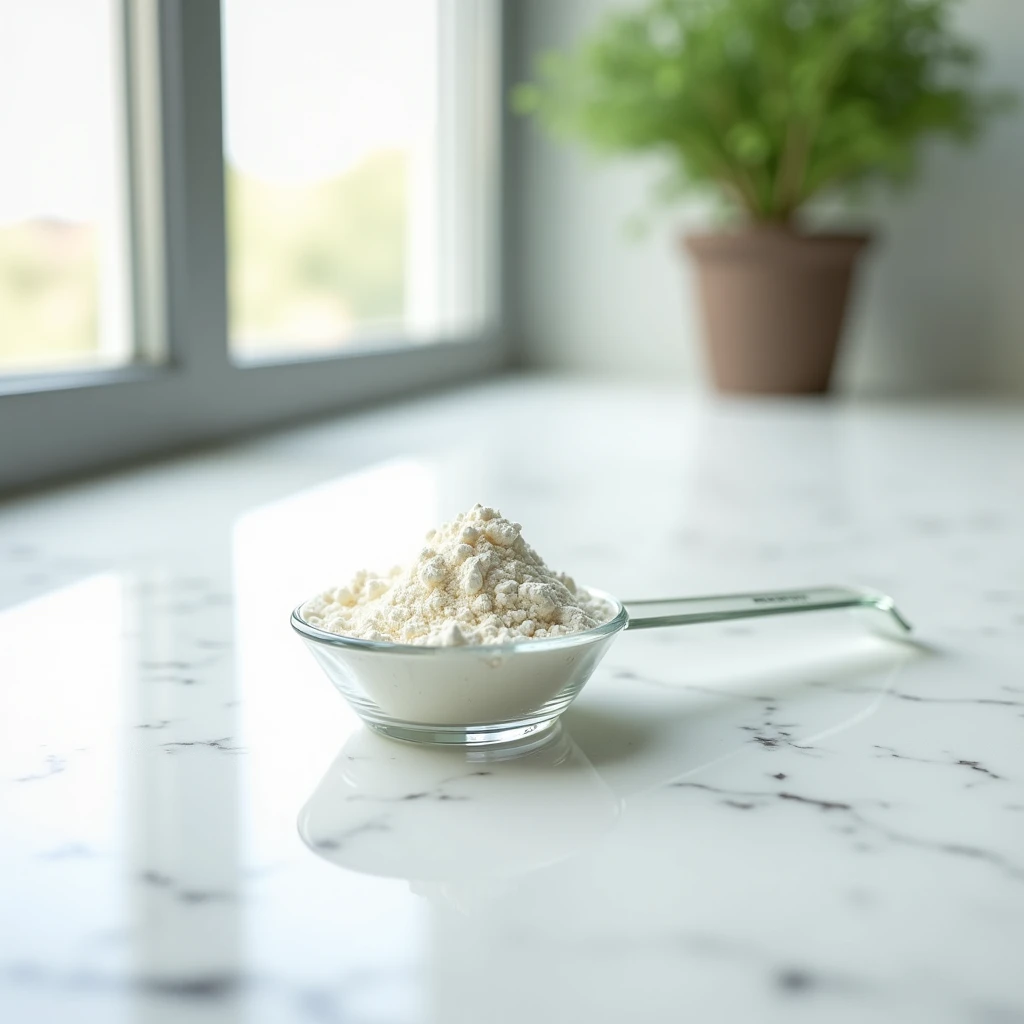
"Creatine monohydrate remains the most extensively studied form of creatine, with over 1,000 peer-reviewed publications supporting its efficacy and safety profile."
International Society of Sports Nutrition Position Stand, Journal of the International Society of Sports Nutrition, 2017
The creatine supplement market has expanded to include flavored powders, capsules, and novel formulations, yet unflavored creatine monohydrate powder remains the reference standard in clinical research and performance applications. For consumers seeking a tasteless option that integrates seamlessly into existing beverages without altering flavor profiles, the selection criteria extend beyond simple purity claims to encompass particle size distribution, manufacturing standards, and dissolution characteristics.
Taste perception in creatine supplementation is primarily influenced by two factors: chemical purity and physical form. Pure creatine monohydrate is inherently tasteless when properly manufactured, but poorly processed variants may contain residual synthesis byproducts or exhibit crystalline structures that create textural sensations mistaken for taste. Understanding the relationship between micronization, solubility, and sensory neutrality provides the foundation for evidence-based product selection.
What is Tasteless Creatine Powder?
Tasteless creatine powder refers to unflavored creatine monohydrate that produces no perceptible taste when dissolved in beverages or consumed directly. The term distinguishes these products from flavored varieties containing sweeteners, acids, or masking agents. From a sensory science perspective, truly tasteless creatine should register below the detection threshold for the five basic taste modalities: sweet, sour, salty, bitter, and umami.
Creatine monohydrate's chemical structure — a nitrogenous organic acid comprising arginine, glycine, and methionine derivatives — does not interact with taste receptor proteins when synthesized to pharmaceutical standards. The compound's molecular weight of 149.15 g/mol and zwitterionic nature at physiological pH contribute to its sensory neutrality. However, manufacturing variables significantly impact the final product's organoleptic properties.
Micronization, the mechanical process of reducing particle size to 200 mesh or finer (approximately 75 micrometers), represents the primary determinant of perceived tastelessness. Smaller particles distribute more uniformly in solution, reducing the gritty mouthfeel that consumers often conflate with taste. Additionally, micronized powders exhibit improved dissolution kinetics, minimizing prolonged oral contact that might amplify subtle sensory detection.
What is Tasteless Creatine Powder Used For?
Tasteless creatine powder serves identical physiological functions to all creatine monohydrate forms while offering practical advantages for specific supplementation contexts. The absence of flavor additives eliminates variables that may influence dietary preferences, caloric intake, or ingredient sensitivities.
- Resistance training optimization: Supports phosphocreatine resynthesis during high-intensity, short-duration exercise protocols, with meta-analyses demonstrating 5-15% improvements in repetitive sprint performance and 5-10% increases in lean body mass over 8-12 week training periods.
- Cognitive function support: Emerging evidence suggests creatine supplementation may enhance processing speed and working memory during cognitive stress, particularly in populations with suboptimal dietary creatine intake or sleep deprivation.
- Beverage customization: Enables integration into pre-existing supplement stacks, protein shakes, or meal replacement beverages without altering established flavor profiles or requiring tolerance adaptation to new taste formulations.
- Dietary restriction compatibility: Unflavored formulations avoid artificial sweeteners, sugar alcohols, and flavoring compounds that may be restricted in elimination diets, ketogenic protocols, or food sensitivity management plans.
- Long-term adherence: Reduces supplementation fatigue associated with persistent exposure to identical flavor profiles, supporting sustained compliance in chronic supplementation protocols.
Evidence and Mechanisms
Creatine monohydrate functions through a well-characterized bioenergetic mechanism. Once absorbed, creatine distributes to tissues with high energy demands — skeletal muscle, cardiac muscle, and neural tissue — where it undergoes phosphorylation by creatine kinase to form phosphocreatine. This high-energy phosphate reservoir enables rapid ATP regeneration during the initial 10-30 seconds of maximal exertion, when glycolytic and oxidative pathways cannot meet instantaneous energy demands.
The International Society of Sports Nutrition's 2017 position stand, synthesizing evidence from over 500 studies, confirmed that creatine monohydrate supplementation at 3-5 grams daily increases muscle creatine stores by approximately 10-40% depending on baseline levels. These elevations correlate with performance improvements across multiple athletic domains. A 2003 meta-analysis by Branch examined 100 studies and found weighted mean improvements of 1.1 kg in lean body mass and 10% in maximal strength after creatine supplementation combined with resistance training.
Studies utilizing unflavored creatine monohydrate demonstrate bioequivalence to flavored formulations, with no significant differences in plasma creatine kinetics or muscle uptake when matched for dose and particle size distribution.
Regarding tastelessness specifically, the sensory profile depends on chemical purity and physical characteristics rather than inherent compound properties. A 2009 study in the Journal of Food Science established that particle size reduction below 100 micrometers significantly decreased texture-related sensory detection in insoluble powders suspended in neutral media. Applied to creatine, this explains why micronized formulations consistently receive superior palatability ratings despite identical chemical composition to non-micronized variants.
Manufacturing process validation studies indicate that Creapure®-branded creatine monohydrate, produced via synthesis rather than extraction methods, maintains impurity levels below 0.001% for creatinine, dicyandiamide, and dihydrotriazine. These synthesis byproducts, when present at elevated concentrations, can contribute to off-tastes or bitterness. Third-party testing by independent laboratories has confirmed that pharmaceutical-grade synthesis substantially reduces these contaminants compared to lower-grade manufacturing processes.

Clinical Considerations
Athletes and Performance Populations
For competitive athletes subject to substance testing protocols, unflavored creatine monohydrate offers transparency advantages. Flavored formulations may contain additional ingredients requiring label scrutiny, whereas single-ingredient products simplify compliance verification. The World Anti-Doping Agency does not prohibit creatine, but athletes benefit from minimizing ingredient complexity to reduce contamination risk.
- Recommended loading phase: 20 grams daily (4 × 5-gram doses) for 5-7 days, followed by 3-5 grams daily maintenance
- Alternative approach: 3-5 grams daily without loading, achieving similar saturation over 3-4 weeks
- Timing considerations: Evidence does not strongly favor pre- versus post-workout administration; total daily intake appears more significant than timing precision
Vegetarian and Vegan Populations
Individuals following plant-based diets exhibit 20-30% lower baseline muscle creatine concentrations compared to omnivores, as dietary creatine derives exclusively from animal tissues. This population demonstrates more pronounced responses to supplementation, with studies showing larger absolute increases in muscle creatine stores and greater performance improvements.
- Baseline muscle creatine typically 10-15 mmol/kg lower in vegetarians versus omnivores
- Supplementation may produce 20-40% greater strength gains in this population during resistance training
- Tasteless powder format allows incorporation into plant-based protein beverages without flavor interference
Older Adults
Age-related decline in muscle creatine content and creatine kinase activity may amplify supplementation benefits in individuals over 50 years. A 2017 systematic review in Medicine & Science in Sports & Exercise found that creatine supplementation combined with resistance training produced superior gains in lean mass, strength, and functional performance in older adults compared to training alone.
- Recommended dose: 3-5 grams daily, consistent with younger populations
- Particular benefit when combined with resistance training protocols of 2-3 sessions weekly
- May support cognitive function maintenance, though evidence remains preliminary
Individuals with Taste Sensitivities
Populations with heightened taste perception, medication-induced dysgeusia, or chemotherapy-related taste alterations benefit from genuinely tasteless supplementation options. The absence of flavoring compounds eliminates variables that might exacerbate taste disturbances or trigger aversions.
- Consider micronized formulations specifically to minimize textural sensations
- Dissolution in cold beverages (8-12°C) may further reduce sensory detection compared to room temperature liquids
- Gradual dose escalation (1-2 grams daily initially) allows tolerance assessment in sensitive individuals
How to Choose the Best Tasteless Creatine Powder
- Verify micronization status: Products labeled as micronized or indicating 200 mesh particle size demonstrate superior dissolution and reduced grittiness. Request particle size distribution data from manufacturers when available, targeting mean particle diameter below 100 micrometers.
- Confirm monohydrate form: Despite marketing claims for alternative creatine forms (ethyl ester, hydrochloride, buffered), peer-reviewed evidence consistently supports creatine monohydrate as the reference standard for efficacy and safety. Novel forms lack equivalent research validation and typically cost substantially more.
- Assess manufacturing standards: Select products manufactured in NSF-certified or FDA-registered facilities adhering to Good Manufacturing Practices. Third-party testing by organizations like Informed-Sport or NSF Certified for Sport provides additional verification of label accuracy and contaminant absence.
- Examine certificate of analysis: Reputable manufacturers provide batch-specific testing results confirming creatine content (typically ≥99.5%), moisture content (<12%), and impurity levels for creatinine, dicyandiamide, and heavy metals.
- Evaluate price per serving: Calculate cost based on 5-gram servings rather than total container price. Bulk unflavored monohydrate typically ranges from $0.10-0.30 per serving, while premium micronized versions may reach $0.40-0.60. Prices exceeding this range warrant scrutiny regarding value proposition versus evidence.
- Prioritize single-ingredient formulations: Products listing only creatine monohydrate as an ingredient eliminate variables affecting taste, allergen exposure, and supplement interactions. Avoid formulations combining creatine with proprietary blends that obscure individual ingredient quantities.
Conclusion
The best tasteless creatine powder combines pharmaceutical-grade purity, micronization for sensory neutrality, and manufacturing transparency. While the supplement market offers numerous creatine variants, the evidence base overwhelmingly supports unflavored creatine monohydrate as the most researched, cost-effective, and physiologically validated option. Micronization represents the critical processing step that transforms chemically identical creatine into an organoleptically neutral powder suitable for seamless integration into diverse supplementation protocols.
Selection criteria should prioritize particle size reduction, third-party testing verification, and manufacturing standard documentation over marketing claims regarding novel delivery systems or enhanced absorption. For populations ranging from competitive athletes to older adults implementing resistance training protocols, tasteless creatine monohydrate provides a evidence-based foundation for ergogenic support without the confounding variables introduced by flavoring systems, additional ingredients, or unvalidated chemical modifications. When evaluating products, demand transparency regarding micronization methods, purity testing, and adherence to pharmaceutical manufacturing standards — the characteristics that distinguish genuinely tasteless, research-grade creatine from commodity alternatives.
Holistic Nutrition's Micronized Creatine Monohydrate is formulated to the standard outlined in this brief — single-ingredient, micronized, third-party tested.
Shop Now →This article is part of the Holistic Nutrition Research Library. Browse all research briefs and ingredient factsheets.
References
[1] Kreider RB, Kalman DS, Antonio J, et al. International Society of Sports Nutrition position stand: safety and efficacy of creatine supplementation in exercise, sport, and medicine. J Int Soc Sports Nutr. 2017;14:18.
[2] Branch JD. Effect of creatine supplementation on body composition and performance: a meta-analysis. Int J Sport Nutr Exerc Metab. 2003;13(2):198-226.
[3] Buford TW, Kreider RB, Stout JR, et al. International Society of Sports Nutrition position stand: creatine supplementation and exercise. J Int Soc Sports Nutr. 2007;4:6.
[4] Hultman E, Söderlund K, Timmons JA, Cederblad G, Greenhaff PL. Muscle creatine loading in men. J Appl Physiol. 1996;81(1):232-237.
[5] Benton D, Donohoe R. The influence of creatine supplementation on the cognitive functioning of vegetarians and omnivores. Br J Nutr. 2011;105(7):1100-1105.
[6] Candow DG, Forbes SC, Chilibeck PD, Cornish SM, Antonio J, Kreider RB. Effectiveness of creatine supplementation and resistance training on muscle strength and weightlifting performance: a systematic review. J Diet Suppl. 2019;16(3):360-385.
[7] Devries MC, Phillips SM. Creatine supplementation during resistance training in older adults—a meta-analysis. Med Sci Sports Exerc. 2014;46(6):1194-1203.
[8] Persky AM, Rawson ES. Safety of creatine supplementation. Subcell Biochem. 2007;46:275-289.
[9] Jäger R, Purpura M, Shao A, Inoue T, Kreider RB. Analysis of the efficacy, safety, and regulatory status of novel forms of creatine. Amino Acids. 2011;40(5):1369-1383.
[10] Harris RC, Söderlund K, Hultman E. Elevation of creatine in resting and exercised muscle of normal subjects by creatine supplementation. Clin Sci. 1992;83(3):367-374.
Leave a comment