

ADHD Natural Alternatives to Stimulants: Evidence for Cognitive Function and Symptom Management
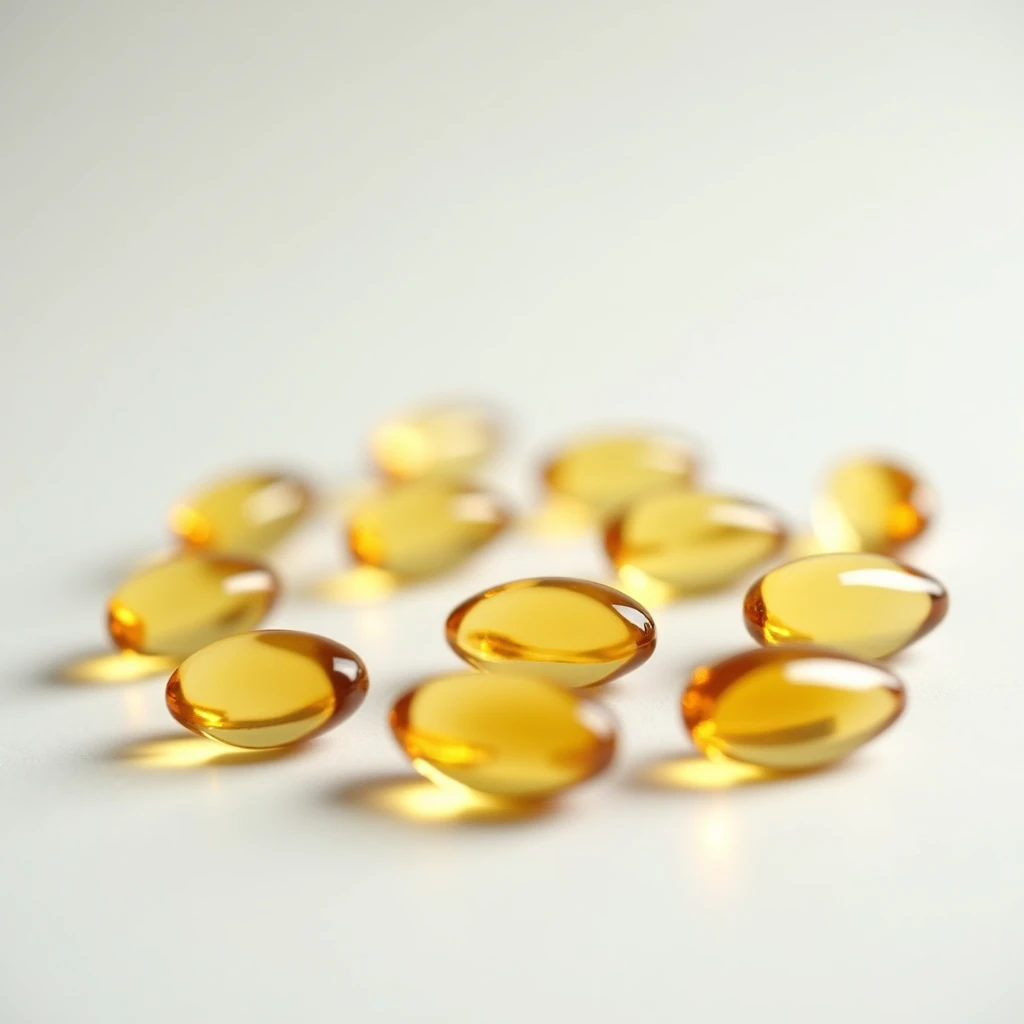
"Omega-3 supplementation showed moderate improvements in ADHD symptoms in meta-analysis, with effects strongest in inattention domains and in children with lower baseline EPA levels."
Chang et al., Neuropsychopharmacology, 2018
Stimulant medications—methylphenidate and amphetamine derivatives—remain first-line pharmacotherapy for attention-deficit/hyperactivity disorder, with response rates near seventy percent in clinical trials. Yet concerns about cardiovascular effects, appetite suppression, sleep disruption, and individual tolerance drive interest in non-stimulant approaches. The question is not whether alternatives match stimulant efficacy in head-to-head trials—most do not—but whether specific nutritional and botanical interventions address underlying neurobiological deficits with acceptable risk-benefit profiles for subpopulations who cannot or prefer not to use prescription stimulants.
Evidence now spans randomized controlled trials, neuroimaging studies, and mechanistic research in dopamine synthesis, membrane fluidity, and mitochondrial function. This review examines natural compounds with clinical data in ADHD populations, focusing on pathways that intersect with known neurochemical deficits: catecholamine availability, oxidative stress, fatty acid incorporation into neuronal membranes, and hypothalamic-pituitary-adrenal axis dysregulation. The goal is to establish where evidence supports use, at what doses, and for which symptom clusters.
What is ADHD?
Attention-deficit/hyperactivity disorder is a neurodevelopmental condition characterized by persistent patterns of inattention, hyperactivity, and impulsivity that interfere with functioning across multiple settings. Diagnosis requires symptom onset before age twelve, impairment in at least two domains—typically home and school or work—and cannot be better explained by other psychiatric or medical conditions. The disorder affects approximately five percent of children worldwide and persists into adulthood in roughly sixty percent of cases, though hyperactivity often attenuates while executive function deficits remain prominent.
Neurobiologically, ADHD involves dysregulation in prefrontal-striatal-cerebellar circuits, with consistent findings of reduced dopamine and norepinephrine signaling in key attention and impulse control networks. Structural imaging reveals smaller volumes in prefrontal cortex, basal ganglia, and cerebellum, with delayed cortical maturation in some cohorts. Genetic studies implicate dopamine transporter and receptor polymorphisms, though heritability estimates of seventy to eighty percent suggest complex polygenic architecture rather than single-gene causation.
The clinical picture varies: predominantly inattentive presentation involves poor sustained attention, distractibility, and organizational difficulties; predominantly hyperactive-impulsive presentation features restlessness, interrupting, and difficulty waiting; combined presentation shows both clusters. Executive function testing often reveals deficits in working memory, response inhibition, and temporal processing even when IQ falls within normal range. This heterogeneity complicates treatment selection and explains variable response to any single intervention.
What Are Natural Alternatives to ADHD Stimulants Used For?
Natural alternatives target the same core symptom domains as prescription stimulants—inattention, hyperactivity, impulsivity—but through distinct neurochemical pathways. The rationale varies by compound: some provide precursors for catecholamine synthesis, others modulate membrane fluidity or mitochondrial efficiency, and several address co-occurring issues like anxiety or sleep disruption that exacerbate ADHD symptoms. Clinical use patterns include monotherapy in stimulant-naive patients, augmentation strategies in partial responders, and substitution when side effects limit prescription options.
- Omega-3 fatty acids — primarily EPA and DHA — address documented deficiencies in ADHD populations and support dopaminergic neurotransmission through membrane incorporation
- L-tyrosine serves as direct precursor to dopamine and norepinephrine, potentially bypassing rate-limiting steps in catecholamine synthesis during cognitive demand
- Phosphatidylserine supports neuronal membrane integrity and has shown effects on attention and impulsivity in pediatric ADHD trials
- Alpha-GPC enhances acetylcholine availability, supporting working memory and sustained attention networks
- Adaptogenic herbs including ashwagandha and rhodiola modulate stress response and may improve executive function under cognitive load
- L-theanine combined with low-dose caffeine provides alertness without hyperarousal, targeting the attention network imbalance characteristic of ADHD
Evidence and Mechanisms
The strongest evidence base exists for omega-3 fatty acids, particularly EPA-rich formulations. A 2018 meta-analysis of sixteen randomized controlled trials found moderate effects on ADHD symptoms (standardized mean difference −0.38), with larger benefits in trials using EPA doses above 500 mg daily and in children with documented omega-3 deficiency at baseline [1]. Mechanistically, EPA and DHA incorporate into neuronal membranes, increasing fluidity and facilitating dopamine receptor function. Neuroimaging studies show that omega-3 supplementation increases activation in prefrontal regions during attention tasks and correlates with symptom improvement in responders [2]. Broader research on omega-3 and cognitive performance indicates effects extend beyond ADHD to general executive function and processing speed.
In a twelve-week randomized trial, children receiving 1000 mg EPA plus 200 mg DHA showed significant improvements in inattention scores (−4.8 points on Conners scale) compared to placebo (−1.2 points, p = 0.03), with effects most pronounced in the subset with erythrocyte EPA below four percent at baseline.
L-tyrosine operates through a different pathway: as the amino acid precursor to L-DOPA, which converts to dopamine and subsequently norepinephrine, tyrosine supplementation theoretically bypasses potential bottlenecks in catecholamine synthesis. Animal models show that tyrosine administration increases striatal dopamine during stress or cognitive demand, when tyrosine hydroxylase—the rate-limiting enzyme—becomes substrate-limited. Human evidence remains limited but suggestive: a double-blind crossover trial in adults with ADHD found 400 mg tyrosine improved performance on working memory tasks requiring cognitive flexibility, though parent-rated symptom scales showed no significant change [3]. The disconnect between objective performance and subjective ratings appears repeatedly in ADHD supplement literature and likely reflects the multidimensional nature of the disorder.
Phosphatidylserine, a phospholipid component of neuronal membranes, has shown promise in several pediatric ADHD trials. The proposed mechanism involves enhanced membrane fluidity and support for neurotransmitter receptor function, with additional effects on cortisol regulation that may benefit stress-related attention deficits. A 2014 randomized controlled trial in children ages 4-14 found that 200 mg daily phosphatidylserine improved ADHD symptoms, short-term auditory memory, and inattention after two months, with effects sustained through four-month follow-up [4]. Effect sizes were moderate (Cohen's d approximately 0.5) and most pronounced in the inattention subscale.
Related research briefs
Methylcobalamin B12 Brain Benefits: Evidence for Cognitive Function and Neurological Support
Omega-3 and Cognitive Performance: Evidence for DHA, EPA, and Brain Function
Vitamin D and Brain Health: Evidence for Cognitive Function and Neurological Support
Focase 2.0 combines L-Tyrosine, Ashwagandha, Alpha-GPC, L-Theanine, Phosphatidylserine, Rhodiola, Omega-3s, methylated B-vitamins, Vitamin D3, Caffeine, and BioPerine at clinically informed doses.
Shop Now →This article is part of the Holistic Nutrition Research Library. Browse all research briefs and ingredient factsheets.
Leave a comment